

😊The Truth About Toxins

In today’s world, it’s not enough to just be concerned about eating healthy and exercising.
We are constantly exposed to harmful toxins in our foods, household products, and beauty items.
Unfortunately, this is not a coincidence, but rather a result of profit-driven, opaque industries and a true lack of regulatory concern.
It’s imperative to raise awareness about these toxins and their detrimental effects on our health.
In this article, we will delve deeper into the history of toxins, the most dangerous substances we encounter daily, and how to rid our bodies of these harmful chemicals using natural methods and a little common sense.
The History of Toxins and Their Growing Prevalence

Toxins have been around since the dawn of time, but their prevalence in our daily lives has increased exponentially with the rise of the industrial revolution in the 18th century.
This period saw rapid growth in the production and use of synthetic chemicals, leading to the contamination of our air, water, and soil.
Unfortunately, the 20th century marked a significant expansion of the chemical industry, with thousands of new chemicals being introduced into the market.
As a result, toxins became more pervasive in our food, household items, and beauty products.
Here are some quick facts about the history and growth of toxins in our food, water, products and environment:
- Many synthetic chemicals in use today were first developed during World War II for use in chemical warfare. After the war, these chemicals were repurposed for use in agriculture, industry, and consumer products.
- According to a report from the Environmental Working Group, over 1,000 new chemicals are introduced into commerce each year, and the vast majority of these have not been adequately tested for safety.
- A 2018 study published in the journal PLOS ONE estimated that the total number of chemicals in use worldwide is between 140,000 and 350,000, with many of these being released into the environment and food system.
- The use of pesticides and other toxic chemicals in industrial agriculture has increased dramatically in recent decades, with the global market for pesticides projected to reach $70.6 billion by 2026.
- The widespread use of antibiotics in livestock production began in the 1950s and 1960s, and has since become standard practice in the industry. According to the CDC, up to 75% of antibiotics used in animals are similar or identical to those used in humans.
- Hormones have been used in livestock production since the 1950s to promote growth and increase meat production. In the US, the use of hormones in beef production is estimated to have increased the average weight of a steer by 100 pounds since the 1950s.
- Many consumer products, including personal care products, cleaning products, and children’s toys, contain a range of synthetic chemicals that have been linked to health problems like cancer, reproductive issues, and endocrine disruption.

These facts highlight the long history and widespread use of toxins in our products and food system, and the need for systemic changes to prioritize the health and wellbeing of people and the planet.
10 Shocking Facts About Toxins
Here are 10 alarming facts that underscore the severity of the problem of toxins in our daily lives:

1. Over 80,000 synthetic chemicals are currently registered for use in the US, but only a small fraction (approx.1700) of them have been tested for safety. This means that we are exposed to a vast number of chemicals that we know very little about, and the long-term effects of these chemicals on our health are largely unknown. Many of these chemicals are found in everyday products, including cleaning supplies, personal care items, and food packaging.

2. According to the Environmental Working Group, the average person carries a “body burden” of 700 synthetic chemicals in their bloodstream. These chemicals can come from a variety of sources, including the food we eat, the products we use, and the environment around us. This means that we are all exposed to a significant amount of toxins on a daily basis, and the effects of this exposure on our health are devastating over time.

3. Pesticides, which are extremely toxic chemicals used on crops, have been linked to many diseases, including cancer, Parkinson’s, and Alzheimer’s. The use of pesticides has also been shown to have a negative impact on the environment, contributing to the decline of bee populations and other wildlife. In addition to pesticides, many other chemicals are used in industrial agriculture, including fertilizers and herbicides, which also have many negative impacts on our health and the environment.

4. Many toxins are also endocrine disruptors, which means they interfere with hormone regulation and contribute to hormonal imbalances. This has serious consequences for our health, including infertility, PCOS, and other hormonal disorders. Endocrine disruptors are found in a variety of products, including food packaging, cleaning supplies, and personal care items.

5. Even low levels of exposure to certain toxins can have significant health effects, especially during critical periods of development, such as in the womb or during early childhood. This means that exposure to toxins during these periods can have lifelong impacts on our health and wellbeing. Children are particularly vulnerable to the effects of toxins, as their bodies are still developing and they tend to have higher exposure levels due to their smaller size.

6. Toxins also do serious damage the gut microbiome, which leads to digestive issues, leaky gut, and a weakened immune system. A 2018 study published in the journal Environmental Health Perspectives confirmed that exposure to glyphosate, the active ingredient in the herbicide Roundup, significantly disrupts the gut microbiome and is linked to cancer, autoimmune diseases, and gut dysbiosis. As well, studies show that Glyphosate use has increased 1500% in the last 2 decades!

7. Some toxins are also very neurotoxic, meaning they damage brain cells and contribute to cognitive decline and mental health disorders. This is particularly concerning given the rise in neurological disorders such as ADHD, autism, and dementia in recent years. Neurotoxic chemicals can be found in a variety of products, including pesticides, cleaning supplies, and personal care items. As, well a 2017 study published in the journal Lancet Neurology estimated that exposure to air pollution, including toxins like particulate matter and nitrogen dioxide, contributes to over 1 million cases of dementia worldwide each year – this is most likely well underreported!

8. Toxins bioaccumulate in the body, meaning they build up over time and become more dangerous as they are passed up the food chain. This means that the toxins we are exposed to in our environment accumulate in our bodies, making us more vulnerable to their effects over time. Bioaccumulation is a particular concern for fish and other animals that live in contaminated water, as well as for people who consume these contaminated foods. A 2017 study published in the journal Environmental Science & Technology found that people who eat a lot of fish — especially from the Great Lakes, which are contaminated with toxins like PCBs and dioxins, can have PCB levels in their bodies up to 50 times higher than people who don’t eat fish.

9. Everyday items like non-stick cookware, plastic containers, and personal care products can be sources of toxic chemicals, including per- and polyfluoroalkyl substances (PFAS).
PFAS are a group of man-made chemicals that have been linked to a range of health issues, including cancer, reproductive and developmental issues, and immune system dysfunction. These chemicals are commonly found in non-stick cookware, waterproof clothing, and personal care products like shampoo and conditioner. It’s important to be aware of the products we use, and to choose alternatives that are free from harmful chemicals, including PFAS. For example, using stainless steel or cast iron cookware instead of non-stick, and choosing personal care products that are free from synthetic chemicals.
A 2019 study published in the journal Environmental Health Perspectives estimated that up to 115 million North Americans are drinking water contaminated with PFAS – that’s almost 1/3 of the total population.

10. The use of antibiotics and hormones in factory farming has led to an increase in antibiotic-resistant bacteria and a range of health problems in animals, including chronic pain, lameness, and respiratory issues. According to a report from the Natural Resources Defense Council, up to 70% of all antibiotics used in the US are given to livestock animals, mainly for non-therapeutic purposes like promoting growth and preventing disease in crowded, unsanitary factory farm conditions.
A 2018 report from the World Health Organization noted that the overuse of antibiotics in livestock production is also a major contributor to the growing problem of antibiotic resistance, which is estimated to cause 700,000 deaths worldwide each year! Additionally, the use of pesticides and other toxins in industrial agriculture can lead to contaminated soil and water, further contributing to the prevalence of toxins in our food system.
The burden of toxic exposure disproportionately affects low-income communities and communities of color, who are more likely to live near industrial farms and experience health issues related to exposure to toxins. This highlights the need for systemic changes in our food system to prioritize sustainable, regenerative agriculture practices that prioritize the health of the environment, animals, and people.
The Most Dangerous Toxins To Be Aware of:

It’s important to be aware of some of the most dangerous toxins that we encounter daily, such as:
1. Arsenic:
Arsenic is a naturally occurring element found in the Earth’s crust, and it can contaminate groundwater, posing severe health risks. Long-term exposure to arsenic can lead to a range of health problems, including:
- Skin disorders: Chronic exposure to arsenic can cause skin lesions, hyperpigmentation, and thickening of the skin.
- Cancer: Arsenic is classified as a Group 1 carcinogen by the International Agency for Research on Cancer (IARC), as it has been linked to lung, bladder, and skin cancers.
- Cardiovascular diseases: Studies have shown that long-term arsenic exposure can increase the risk of heart attack, stroke, and hypertension.
- Diabetes: Arsenic exposure has also been associated with an increased risk of type 2 diabetes due to its potential to impair glucose metabolism.

2. Pesticides:

Pesticides are chemicals used in agriculture to control pests and protect crops, but they can also pose risks to human health. The presence of pesticide residues in food can lead to both acute and chronic health effects, such as:
- Neurological issues: Organophosphate and carbamate pesticides can affect the nervous system by inhibiting the enzyme cholinesterase, leading to symptoms like dizziness, headache, and even seizures in severe cases.
- Endocrine disruption: Some pesticides, such as atrazine and DDT, can disrupt hormone function, potentially causing reproductive, developmental, and immune system problems.
- Cancer: The IARC has classified several pesticides, including glyphosate and malathion, as probable human carcinogens, with potential links to non-Hodgkin lymphoma and other cancers.
- Developmental issues: Prenatal exposure to certain pesticides has been linked to developmental problems in children, such as cognitive deficits, attention deficit hyperactivity disorder (ADHD), and autism spectrum disorder (ASD).

3. Bisphenol A (BPA):
BPA is a synthetic compound used in the production of polycarbonate plastics and epoxy resins. Its presence in food containers, water bottles, and canned foods can lead to human exposure. Health risks associated with BPA exposure include:
- Hormone disruption: BPA is an endocrine disruptor, which means it can mimic or interfere with the function of hormones, such as estrogen. This can lead to reproductive issues, early puberty, and breast and prostate cancer.
- Developmental problems: Prenatal exposure to BPA has been linked to behavioral and cognitive problems in children, including hyperactivity, anxiety, and aggression.
- Metabolic disorders: Some studies suggest that BPA exposure may contribute to obesity, insulin resistance, and an increased risk of type 2 diabetes.

4. Mercury
Methylmercury, a highly toxic form of mercury, accumulates in fish, posing risks to human health. The primary health concerns associated with methylmercury exposure are:
- Neurotoxicity: Methylmercury is a potent neurotoxin, meaning it can damage the nervous system. Prenatal exposure can lead to developmental problems, such as cognitive deficits, motor dysfunction, and impaired language skills in children.
- Cardiovascular risk: Some studies suggest that high levels of methylmercury exposure may increase the risk of cardiovascular diseases, such as heart attack and hypertension.
- Kidney damage: Mercury can accumulate in the kidneys, leading to kidney dysfunction and, in severe cases, kidney failure.

5. Lead:
Lead is a toxic heavy metal that can enter drinking water through corroded pipes and plumbing fixtures. Exposure to lead can cause a wide range of health problems, such as:
- Neurological damage: Lead is a potent neurotoxin that can cause cognitive impairment, behavioral disorders, and learning difficulties, especially in children.
- Cardiovascular issues: Lead exposure has been linked to increased blood pressure, hypertension, and an elevated risk of heart disease.
- Reproductive problems: Lead can cause fertility issues and pregnancy complications, including low birth weight, preterm birth, and developmental delays.

3. Atrazine:
Atrazine, a commonly used herbicide, contaminates drinking water supplies and pose health risks. Long-term exposure to atrazine is associated with:
- Hormone disruption: Atrazine is an endocrine disruptor that can interfere with hormone production and function, potentially leading to reproductive issues and developmental disorders.
- Cancer risk: Some studies suggest that atrazine exposure may be associated with an increased risk of certain cancers, such as ovarian, non-Hodgkin lymphoma, and thyroid cancer.

7. Phthalates:
Phthalates are chemicals used in plastics and personal care products, which can leach into food. Health risks associated with phthalate exposure include:
- Hormone disruption: Phthalates are endocrine disruptors, which can interfere with hormone function, leading to reproductive issues, obesity, and insulin resistance.
- Developmental problems: Prenatal exposure to phthalates has been linked to cognitive and behavioral issues in children, such as lower IQ, ADHD, and autism.

8. Cadmium:
Cadmium, a toxic heavy metal, can be found in rice due to soil contamination. Long-term exposure to cadmium can lead to:
- Kidney damage: Cadmium can accumulate in the kidneys, causing kidney dysfunction and, over time, kidney failure.
- Bone disorders: Chronic cadmium exposure can lead to bone demineralization, increasing the risk of osteoporosis and fractures.
- Cancer risk: The IARC has classified cadmium as a Group 1 carcinogen, with associations to lung, prostate, and kidney cancers.

9. PFAS’s:
PFAS are synthetic chemicals found in various consumer products, such as non-stick cookware, food packaging, and stain-resistant fabrics.
They are often referred to as “forever chemicals” due to their resistance to breaking down in the environment and their ability to accumulate in human and animal tissues.
Nearly all Americans tested had detectable levels of PFAS in their blood, with potential links to various health issues.
PFAS are particularly concerning due to their persistence, bioaccumulation, and potential for long-range transport. They have been associated with a range of adverse health effects, including:
- Immune system suppression: PFAS exposure can lead to a weakened immune response, making individuals more susceptible to infections and reducing the effectiveness of vaccines.
- Hormone disruption: PFAS can interfere with the normal functioning of hormones, including thyroid hormones, which play a crucial role in regulating metabolism, growth, and development.
- Developmental problems: Prenatal exposure to PFAS has been linked to low birth weight, developmental delays, and attention deficit hyperactivity disorder (ADHD) in children.
- Reproductive issues: Some studies have suggested that PFAS exposure may reduce fertility in both men and women and cause pregnancy complications.
- Increased cancer risk: Exposure to certain PFAS chemicals, such as PFOA and PFOS, has been associated with an increased risk of kidney and testicular cancer.
The widespread presence of PFAS in the environment, their ability to accumulate in the body, and their potential to cause various health problems make them a significant concern for public health.

10. Microplastics:
Microplastics, tiny particles of plastic, can be found in various sources, including bottled water, seafood, and salt.
The potential health effects of microplastic are significant, and include:
- Physical damage: Ingested microplastics can cause physical damage to the gastrointestinal tract, potentially leading to inflammation and tissue damage.
- Chemical exposure: Microplastics can carry toxic chemicals, such as BPA and phthalates, which can be released upon ingestion and cause hormone disruption and other health issues.
- Bioaccumulation: As microplastics are consumed by organisms at the bottom of the food chain, they can accumulate in higher concentrations in predator species, increasing human exposure through the consumption of contaminated seafood.

Regulators Are Blind or Complicit!

Despite decades of mounting evidence of the harmful effects of toxins (again, over decades), regulatory agencies like the FDA and EPA often fail to adequately protect the public from these substances.
The reason behind this?
Simple: the political and economic influence of powerful corporations that prioritize profits over public health.
These industries often lobby against stricter regulations, and in some cases, even suppress scientific evidence that could harm their bottom line. As a result, we continue to be exposed to dangerous chemicals with little to no protection, so your health is really up to you!

Getting Rid of Toxins Naturally

Fortunately, there are some simple, basic, common-sense ways to help our bodies eliminate toxins and heavy metals. Here are some simple steps you can take:
- Eat a clean, whole-food diet, rich in organic fruits and vegetables.
- Drink plenty of filtered water to help flush toxins from your system.
- Practice regular exercise, which can help increase circulation and promote detoxification.
- Use non-toxic household and personal care products, avoiding harmful chemicals whenever possible.
- Consider using an air purifier to reduce indoor air pollution.
- Take supplements that help clear toxins, & heavy metals out of the body.

Supplements Built 🛠️ For Detoxification
1. MSM (Organic Sulfur)

Natural bias aside 😊 – there are very few minerals and supplements that even come close to MSM capabilities as a powerhouse detoxifier.
MSM as you may know is a natural sulfur compound that has extremely powerful detoxifying properties and can help to flush heavy metals from the body.
It accomplishes this in 3 main ways:
1. By binding to heavy metals and toxins, making them water-soluble and therefore much easier for the body to eliminate via the kidneys and liver.
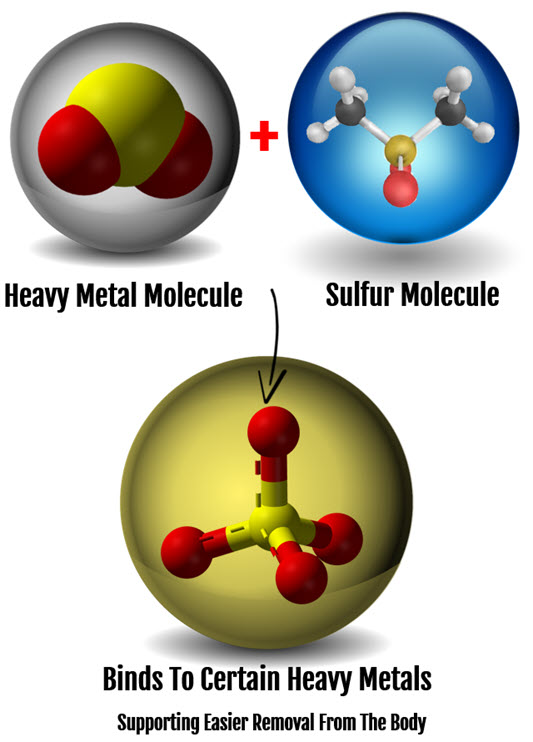
2. Pure MSM quickly opens up cell membranes throughout the body, brain and digestive tract, allowing cells to quickly and easily pull toxins and heavy metals out of the system for simple disposal.
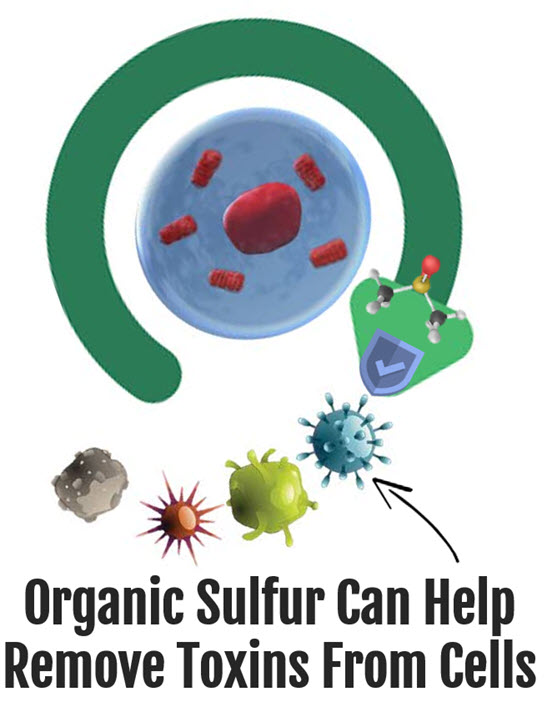
3. MSM also supercharges glutathione production, which is the bodies master antioxidant, and also supports healthy liver function, which is crucial for detoxification. If you did not know; the liver is responsible for filtering toxins from the bloodstream and converting them into compounds that can be eliminated from the body.

Additionally, pure MSM is an extremely potent anti-inflammatory agent, which quickly helps to reduce and manage chronic inflammation created by the bioaccumulation of toxins and heavy metals in the system.
In short, if you are not taking pure MSM (Organic Sulfur) daily, your body is most likely bioaccumulating significant levels of toxins & heavy metals, driving chronic inflammation & the growth of chronic disease.
2. Chlorella

Chlorella is a type of freshwater algae that is rich in chlorophyll, which gives it its characteristic green color. Chlorella is known for its ability to bind to heavy metals and toxins, helping to remove them from the body.
It accomplishes this by forming a protective shell around the toxins, preventing them from being reabsorbed into the body.
Chlorella is also rich in antioxidants, which help to protect the body from damage caused by free radicals. Free radicals are unstable molecules that can damage cells and contribute to numerous health conditions, including cancer, heart disease, and Alzheimer’s disease. By neutralizing free radicals, chlorella can help to promote overall health and well-being.
Furthermore, chlorella is an excellent source of nutrients, including vitamins, minerals, and amino acids. It is particularly rich in protein, containing all nine essential amino acids, making it a complete protein source. This makes chlorella an excellent supplement for those who are looking to support their overall health and well-being.

3. Milk Thistle

Milk thistle is a plant that has been used for centuries to treat liver and gallbladder disorders.
It is known for its ability to support healthy liver function, which is crucial for detoxification. The liver is responsible for filtering toxins from the bloodstream and converting them into compounds that can be eliminated from the body. Milk thistle helps to support the liver’s natural detoxification processes, allowing it to function more efficiently.
Milk thistle contains a powerful antioxidant called silymarin, which is thought to be responsible for its health benefits. Silymarin helps to protect the liver from damage caused by toxins and free radicals, allowing it to function more efficiently. It also has anti-inflammatory properties, which can help to reduce inflammation in the body.
Additionally, milk thistle has been shown to have anti-cancer properties. Studies have found that silymarin can inhibit the growth of cancer cells and may even induce apoptosis (cell death) in cancer cells.

4. Activated Charcoal

Activated charcoal is a form of carbon that has been treated with oxygen to make it highly porous.
It is known for its ability to bind to toxins in the digestive tract, preventing their absorption into the bloodstream. Activated charcoal accomplishes this by attracting and binding to toxins and other harmful substances, making them more water-soluble and easier for the body to eliminate.
Activated charcoal is particularly effective at binding to heavy metals, such as lead, mercury, and arsenic. It can also help to reduce the symptoms of gas and bloating by binding to excess gas in the digestive tract.

However, it’s important to note that activated charcoal can also bind to nutrients and medications, so it should be taken at least two hours before or after meals and other supplements or medications, and for extended use, take 1 – 2 capsules a day max.
The Bottom Line
The pervasive presence of toxins in our everyday lives is a disturbing reality that can no longer be ignored.
The lack of regulatory concern and profit-driven motives of industries contribute to this very real health crisis.
If we don’t get serious, take control of our health and get serious about daily detox, our bodies have – potentially – a very rough road ahead, and most will likely be dealing with serious disease and rapid acceleration in ageing.
Stay informed, stay vigilant, and remember that nature often provides the best solutions for our health and well-being.
As always, to your health!


Sale Details:
⚡ Ending in 72 Hours⚡
Get Up To 45% off on Multi Packs OR Save An Extra 10% Off Any of Our Already Discounted Bundles!
Just Apply Promo Code: 👉 well10👈 at Checkout 🛒
Shop Now


Shop USA Store

All Orders Ship From Our California Warehouse
Shop Canada Store

All Orders Ship From Our Toronto Warehouse
Happy Body Bundles
Try Different Product Bundles & Save Up To 53% With Free Shipping!

*Note some products are not available in Canada at this time
Shop Bundles USA

Shop Bundles Canada

Disclaimer: Information presented on this site is of a general nature used for educational and information purposes only. Statements or opinions about products and health conditions have not been evaluated by the US Food and Drug Administration or Health Canada. Products and information stated herein are not intended to diagnose, treat, cure, or prevent any disease or condition. If you have any concerns about your own health or are wanting to use a new mineral supplement, vitamin or herbal supplement, you should always consult with your physician or other healthcare professional first. Do not use information on this site or on our social media pages as a replacement for validated medical information / opinion, or as a basis for self-diagnosis. This is the same for your pet; always consult with your veterinarian before starting your pet on any new pet supplement or vitamin first.
Pricing: For our website and catalog, the Regular (Reg) Price is also referred to as the MSRP is the “Manufacturer’s Suggested Retail Price.” The MSRP is understood to mean the price at which a manufacturer will recommend a retailer or reseller to sell a product for in stores, on the internet, or in catalogs. For Happy Body Store/Happy Body/HappyBody branded items, the MSRP is calculated based on a varying percentage above the product’s completed production price & associated administration, marketing & logistics. Prices can change at any time for any reason. Pricing & sales offers can change at any time without notice, and at our sole discretion.