

The Toxin Blacklist – 2024

What Are Toxins?
Ah, toxins—those invisible villains lurking in the shadows of our everyday lives.
“Villain” is the right term for toxins, and for those people who are willfully placing these chemicals in the products we buy for us and our children.
So lets start from the top, what exactly is a toxin?
Simply put, a toxin is any foreign substance that can cause harm to our bodies.
- They disrupt normal bodily functions
- Damage cells & tissues,
- Mess with the immune system,
- Drive inflammation & serious disease.
From heavy metals to pesticides to pollution and synthetic chemicals, the list of potential toxins is as long as a politician’s promises.
So, while some might chuckle at the thought of detox diets and juice cleanses, the truth is that the impact of toxins on our health is no laughing matter.
Understanding what toxins are and how they affect us is the first step in defending ourselves against these silent saboteurs.
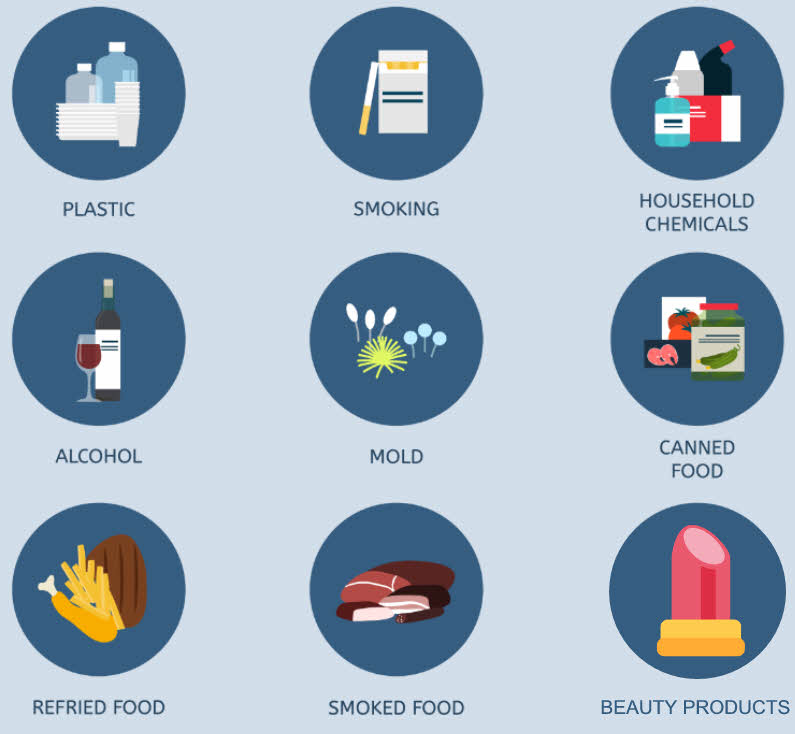
The Most Common Sources of Toxins
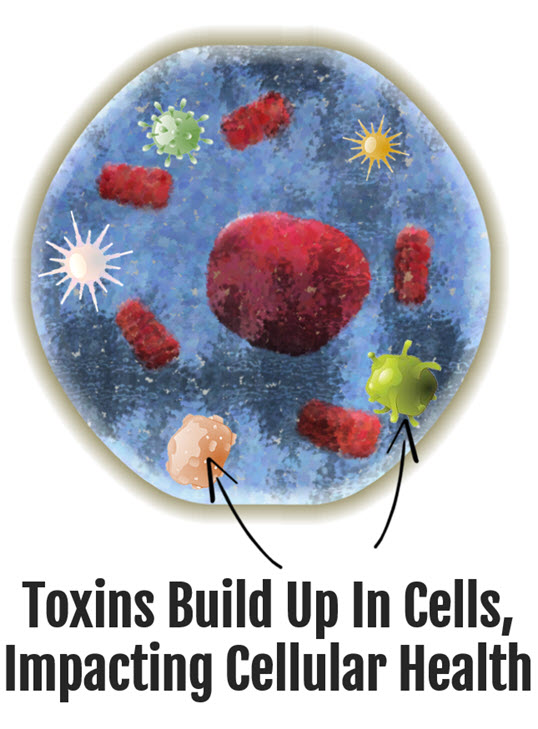
Toxins Build Up In Cells & Destroy Health Over Time
Toxins end up building up in cells, and tissue and over time disrupt the function of organs and the body systems, creating various impacts on health and wellness, some very serious.
The Toxin Blacklist for 2024
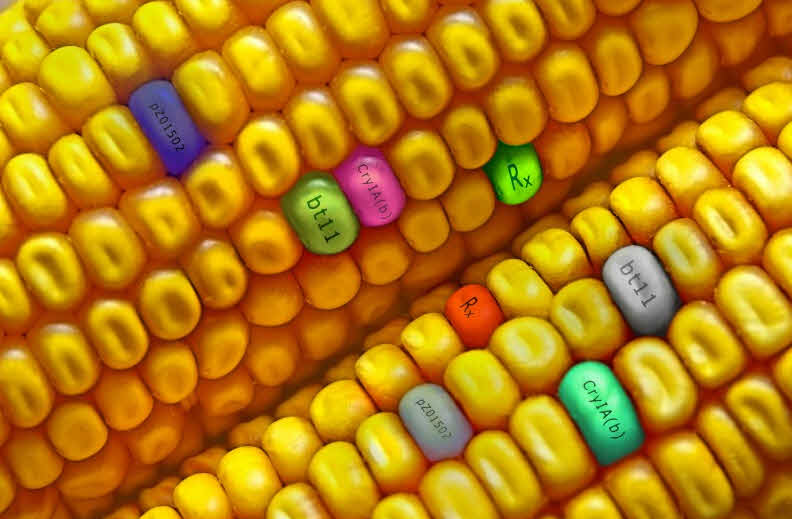
Below, you will find some of the most dangerous and disruptive toxins found in our food, as well as in the products we use for beauty & body care.
This knowledge can help empower you as a consumer to make better, wiser decisions in what you decide to ultimately put into your precious body.
So with that here is our Toxin Blacklist for 2024:

1. Any Commercial Pesticides
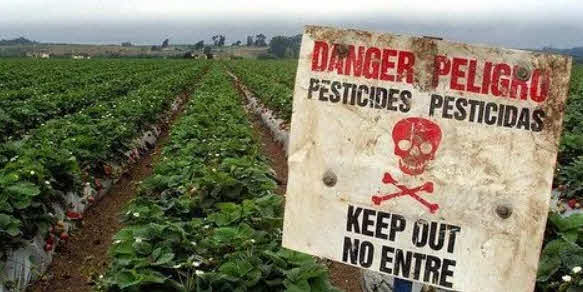
Chemical/commercial pesticides are used by large farming concerns to raise vegetables, fruit, and animal feed, keeping them safe from insects and pests to ensure a fuller growing yield and more profitability.
Examples of specific chemical pesticides are: Glyphosate, Acephate, Deet, Propoxur, Metaldehyde, Boric Acid, Diazinon, Dursban, DDT, and Malathion.
Not only are these chemical pesticides dangerous to the environment, they are also insanely hazardous to our health.
Sadly, these giant mega-corps are not shy about using these poisons at scale for their customers. So kind!

Source: Alavanja M. C. (2009). Introduction: pesticides use and exposure extensive worldwide. Reviews on environmental health, 24(4), 303–309. doi:10.1515/reveh.2009.24.4.303
After countless studies, these pesticides have been linked to cancer, Alzheimer’s Disease, ADHD, and serious birth defects.
They also have the potential to harm the nervous system, the reproductive system, and the endocrine system.
They’re very harmful to fetuses because the chemicals can pass from the mother during pregnancy or if a woman nurses her child.
Although one piece of fruit with pesticides won’t kill you, over time they DO build up in your body, and can be very detrimental to your health and therefore should be avoided as much as possible.
You may not realize this, but when you are eating a non-organic apple for example, you can also be eating up to 30 different pesticides that have been sprayed on the apple over its various growing phases.
Even if you wash the apple there are still many pesticides lingering on it, and many times they have seeped into the innards of the fruit or vegetable.
Strawberries, apples, carrots, celery, spinach, grapes, apples, and cucumbers are just a few types of food that you should try to purchase in organic formats, as they will contain much less pesticide content versus conventional forms.
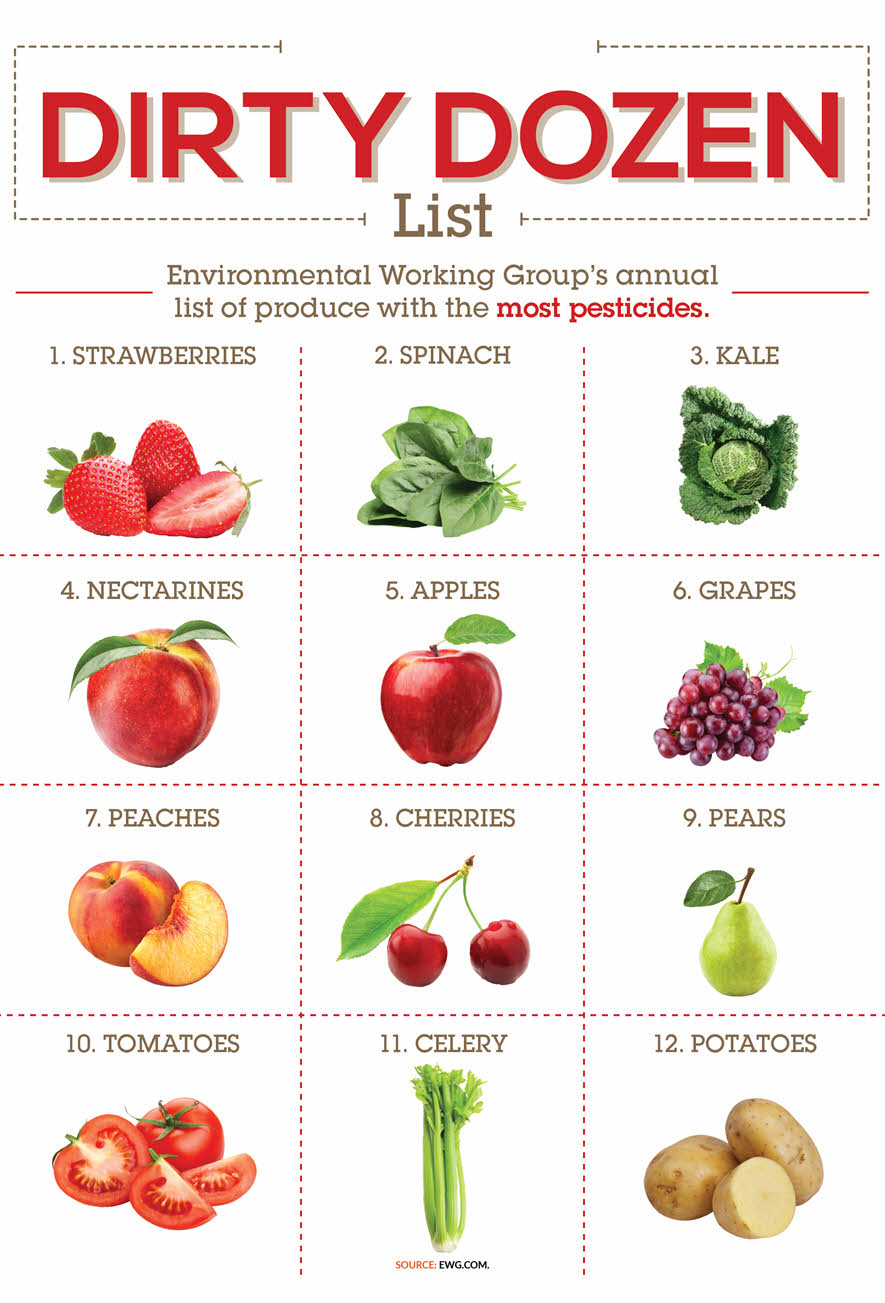
Produce That Carries The Most Pesticides:
Aka “The Dirty Dozen”
We cover these each year, because it’s a good refresh for us all.
These are the “Dirty Dozen“.
The fruits and veggies known to contain the most pesticides and chemical residues when purchased in non-organic formats.
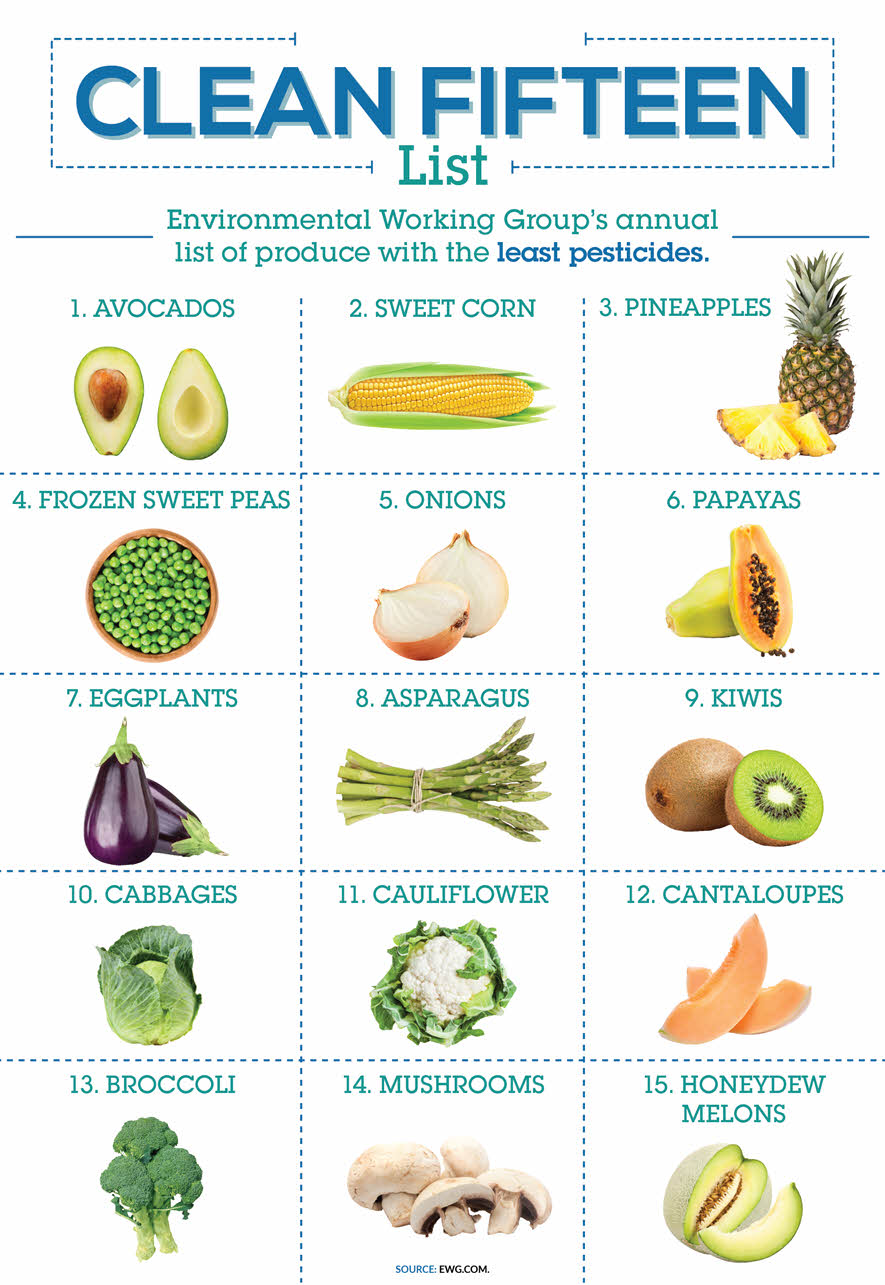
Foods That Carry The Least Pesticides:
“The Clean 15”
These are the fruits and vegetables that typically contain the least amount of pesticides, and can still be purchased in conventional, non-organic formats.
What To Do About Pesticides?
The best way to avoid having your foods full of nasty pesticides is to choose certified organic, and better yet, seek out and support the local organic, regenerative farms that are in your area.
Consider starting your own backyard or patio garden, or even gather your neighbors together to start a community garden through the warmer months to supply yourself with the freshest, most nutritious produce you can get!

2. BHA & BHT
Next up, BHT (Butylated Hydroxytoluene) and BHA (Butylated Hydroxyanisole).
These may sound like something out of a science fiction novel, but these synthetic compounds are quite real—and commonly added to our food and cosmetics to preserve freshness and extend shelf life.
Firstly, both BHT and BHA are high-impact endocrine disruptors.
That means they can interfere with hormone function, leading to reproductive issues, thyroid imbalances, and developmental problems.
Moreover, BHT and BHA have been linked to cancer. Which is political speak for “helps increase cancer in people.”
The International Agency for Research on Cancer (IARC) has classified BHA as “possibly carcinogenic to humans.”
Animal studies have shown that both chemicals can cause tumors and other cancerous growths, raising red flags for their safety in human consumption.
These compounds can also trigger allergic reactions and hyperactivity in children.
If you or your loved ones have experienced unexplained rashes, headaches, or behavioral changes, BHT and BHA could be the culprits.
Good to know they’re found in most cereals…

What To Do About BHT?
Read your labels!!
Again, you will not find this additive in certified organic foods, so that is always a good indicator, but you can also find other companies that have opted out of using this toxin, so check your labels to know what you are putting in your family’s bodies.

3. rBGH/rBST
Recombinant Bovine Growth Hormone, or rBGH and rBST (recombinant bovine somatotropin) are Monsanto products (shocking).
Recombinant Bovine Growth Hormone (rBGH) and Recombinant Bovine Somatotropin (rBST) are synthetic hormones used to increase milk production in cows.
While this might sound like a farmer’s dream, it quickly turns into a consumer’s nightmare when you consider the health risks.
For starters, rBGH and rBST have been “linked” to an increased risk of cancer.
These hormones elevate levels of another hormone called Insulin-like Growth Factor 1 (IGF-1) in milk.
High levels of IGF-1 in humans have been associated with a higher risk of breast, prostate, and colorectal cancers.
Milk from cows treated with rBGH and rBST often contains higher levels of pus and antibiotics (yum!).
Cows injected with these hormones are more prone to infections like mastitis, leading to increased antibiotic use, which in turn can contribute to antibiotic resistance—a serious public health concern.
In short, while these hormones might boost milk output, they come with a hefty price tag for our health.
Steering clear of products containing rBGH and rBST is a wise move for anyone looking to minimize their risk of hormone-related health issues.
What To Do About rBGH
Again, choosing certified organic dairy will ensure you stay clear of rBGH and rBST.
Many countries have banned the use of rBGH and rBST including, the European Union, Canada, Japan, Pakistan, Australia, New Zealand, and Argentina, so if you are fortunate enough to have access to dairy from these places, it will not contain it.
For our peeps in the USA, be on the lookout for these dairy options that are certified rBGH-free:
US Certified Organic and rBGH-Free Dairy Brands
Alta Dena Organics
Butterworks Farm
Harmony Hills Dairy
Horizon Organic
Morningland Dairy
Natural by Nature
Organic Valley Dairy
Radiance Dairy
Safeway Organic Brand
Seven Stars Farm
Straus Family Creamery
Stonyfield Organic
Wisconsin Organics
4. Sodium Aluminum Sulfate & Potassium Aluminum Sulfate
Sodium Aluminum Sulfate and Potassium Aluminum Sulfate might sound like they belong in a chemistry lab, but they’re often found in your kitchen cupboard.
These compounds are commonly used as leavening agents in baking powders and as additives in processed foods. However, their presence in our food supply raises some serious health concerns.
One of the primary worries with these aluminum-based compounds is their potential link to neurotoxicity.
Research suggests that high levels of aluminum exposure may be associated with an increased risk of developing neurodegenerative diseases, such as Alzheimer’s. Considering the rising rates of these conditions, it’s worth paying attention to what’s in our food.
Aluminum toxicity has been “linked” with various problems including but not limited to; confusion, muscle weakness, damage to the bones (resulting in pain, fracture, or deformities), seizures, speech problems, lung problems, nervous system issues (e.g., sleep problems, memory loss, headache, nervousness), interference with iron and phosphorus absorption, and Alzheimer’s disease. Quite the list…
Moreover, regular consumption of these additives lead to aluminum accumulation in the body.
This can disrupt normal bodily functions, leading to issues like bone disorders and kidney problems.
Aluminum has no biological role in the human body, making its presence more of a hazard than a help.
The World Health Organization states the safe limit for aluminum is 2 milligrams per kilogram of body weight per day, yet the CDC estimates that Americans are exposed to about 10 milligrams per kilogram per day.
This is also accumulative and our bodies do not easily dispose of this heavy metal.
A journal appropriately called “Food Additives and Contaminants” reported on the aluminum content of common foods in the United States.
Among the worst offending foods were:
- frozen pizza,
- non-dairy creamers,
- std table salt,
- pancakes and waffles,
- various frozen foods.
Overall they found that many of the above foods provided “significant” levels of the metal, with the cheese on frozen pizzas harboring up to 14 milligrams per serving and a single serving of non-dairy creamer providing 1.5 mg’s, while frozen pancakes and pancake/waffle mixes offered up to a whopping 180 mg per serving! Yet, the Joint Food and Agriculture Organization states that the tolerable level of aluminum should be 1 mg/kg of body weight per week. Yikes…
Studies also show if you use aluminum in your kitchen, for example, utensils, cookware, aluminum foil, you maybe walking around with 2x the amount of aluminum in your blood compared to someone who doesn’t.
What To Do About Aluminum
Avoiding ultra-processed foods will help reduce your risk of aluminum toxicity.
Swapping out harmful tinfoil for parchment (when possible, because who doesn’t use foil at times?)
Being mindful of the utensils and cookware you’re using are also great ways to avoid exposure.

5. Bisphenol-A (BPA) / Bisphenol-S (BPS)

BPA (Bisphenol A) and its close cousin BPS (Bisphenol S) might be familiar names if you’ve ever looked at the bottom of a plastic bottle.
These chemicals are used in the production of plastics and resins, making them common in everything from food containers to receipts.

BPA and BPS are also high-impact endocrine disruptors.
This disruption can lead to a host of health problems, including reproductive issues, developmental problems in children, and an increased risk of certain cancers.
The irony?
BPS was introduced as a safer alternative to BPA, but studies suggest it might be just as harmful, if not more so.

Beyond hormonal havoc, these chemicals can drive metabolic disorders such as obesity and diabetes.
Exposure to BPA and BPS can affect insulin production and glucose metabolism, leading to an increased risk of insulin resistance and other metabolic issues.
Bottom line – It’s dangerous and should not be consumed.
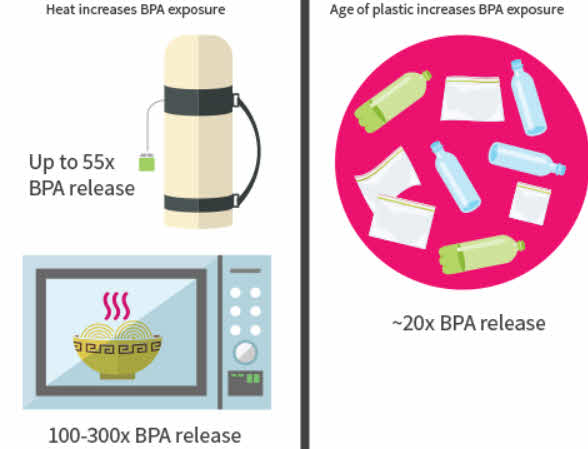
Never Microwave or Heat Up Plastic As BPA/BPS Leeching Becomes Significant
In the US, the Food and Drug Administration (FDA) has set an acceptable daily intake (ADI) for BPA at 50 micrograms per kilogram of body weight per day, despite growing evidence of BPA’s potential health risks, including endocrine disruption and developmental toxicity.
The FDA’s stance has been criticized for relying on older scientific data and – shockingly – being dependant on industry-funded research vs. publicly funded.
Conversely, the European Food Safety Authority (EFSA) recently revised this limit dramatically, setting a new tolerable daily intake (TDI) at 0.2 nanograms per kilogram of body weight per day.
This would make the USA’s limits 250,000 times more than the EU’s… Think about that for a moment!
What To Do About BPA/BPS
Ditch the plastic!
Although there are some “safer” plastic options, it’s only a matter of time before science shows the harm all plastic chemical compounds potentially pose.
There are so many great glass and stainless steel options for your drinking and cooking needs. Try and be mindful of single-use plastics to reduce their load on the environment.

6. Sodium Nitrite/Nitrate
Sodium nitrites fight the growth of harmful bacteria in ham, salami, and other processed and cured meats and also help make up their pinky/red coloration.
One of the most alarming dangers associated with sodium nitrate and nitrite is their link to cancer.
When these compounds are exposed to high heat during cooking or when they react with stomach acids, they can form nitrosamines, which are potent carcinogens.
Numerous studies have linked nitrosamines to various cancers, including colorectal, gastric, and pancreatic cancers.
High intake of sodium nitrate and nitrite can also negatively impact cardiovascular health.
These compounds can lead to the formation of methemoglobin, which reduces the ability of red blood cells to carry oxygen throughout the body.

Additionally, there is evidence suggesting that these additives may contribute to the development of atherosclerosis, a condition characterized by the hardening and narrowing of the arteries.
For infants, the ingestion of sodium nitrate and nitrite can lead to a condition known as methemoglobinemia, or “blue baby syndrome.”
This condition impairs the blood’s ability to carry oxygen, causing cyanosis and other serious health issues in young children.
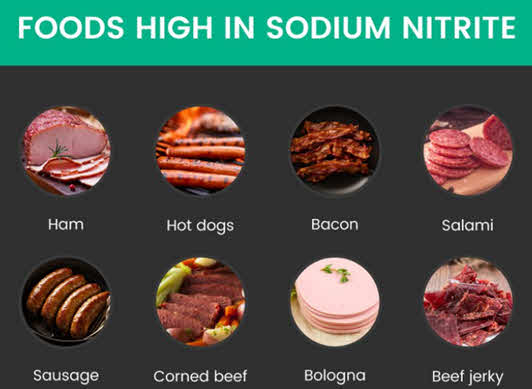
Celery salt is often used as a natural alternative for curing meats.
It contains naturally occurring nitrates, which can convert into nitrites during the curing process.
While celery salt might seem like a safer, more natural option, the nitrates in celery salt convert to nitrites similarly to synthetic versions.
Thus, meats cured with celery salt can also lead to the formation of nitrosamines when cooked at high temperatures.
The nitrate content in celery salt can also vary greatly, leading to inconsistent curing results and potentially higher risks if not properly managed.
What To Do About Nitrates
There really is no way around these if you love processed meats, and millions do!
So when you do reach for these in the grocery store know that moderation is best.
McLean’s Meats is a great Canadian brand that does not use any preservatives in the deli meats. They are available in many grocery stores and offer home delivery in certain places.
In the US, Wholefoods, Trader Joe’s both carry a selection of some nitrate and celery salt free versions..
You can also simply roast some plain chicken breast or roast beef, cool, and thinly slice for truly all-natural lunch meat!
7. Acrylamides
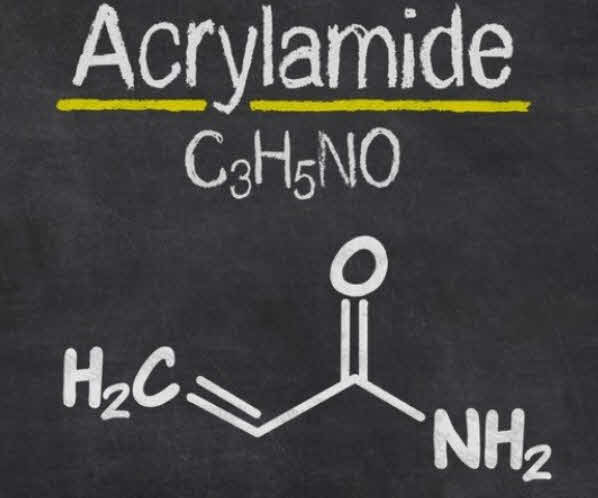
Acrylamide is a chemical compound that usually forms in starchy foods like breads, cakes, cookies, crackers, cereals, and potatoes (chips and fries) when they are baked, roasted, or fried at high temperatures (at least 248 degrees F).
Why should you be concerned? Well, Acrylamide is a proven top-tier human carcinogen.
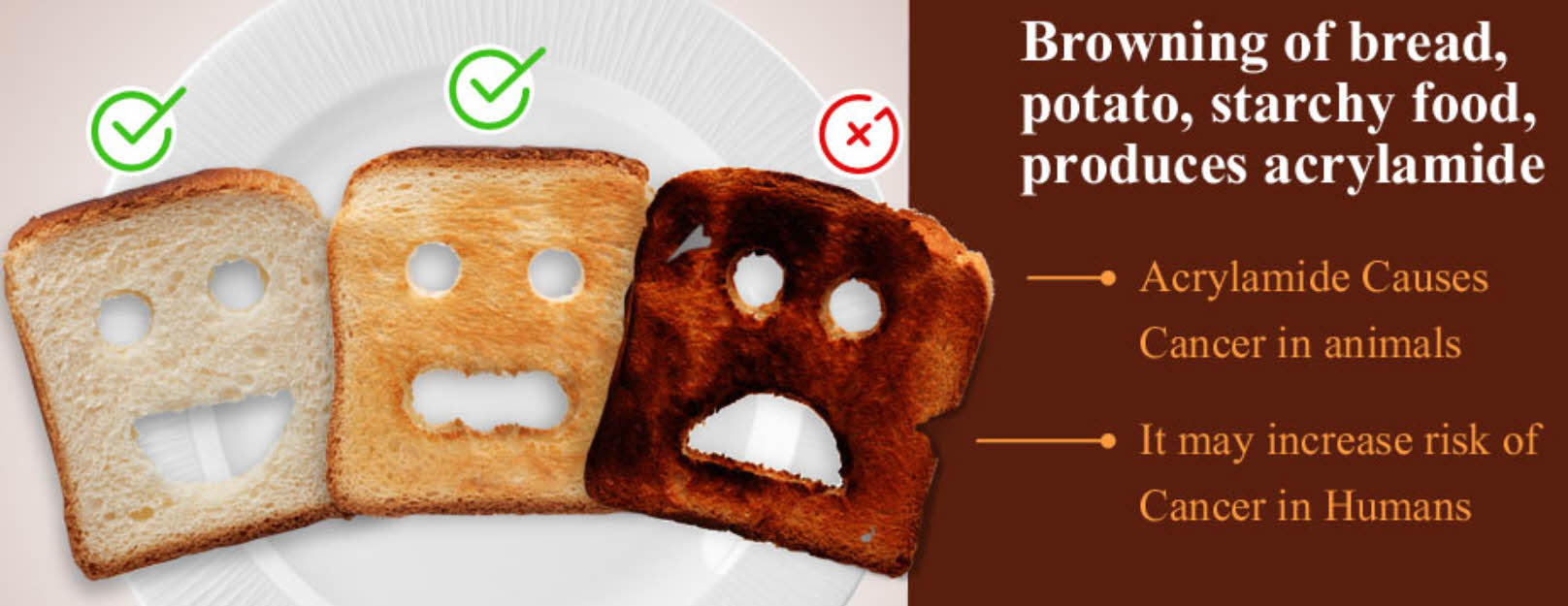
Beyond their carcinogenic risks, acrylamides have also been linked to neurological damage.
Exposure to high levels of acrylamides has been shown to cause neurotoxicity in both animals and humans.
Symptoms can include muscle weakness, numbness, and other peripheral neuropathies.
While the levels typically encountered in food are lower, the cumulative effect over time remains a concern, particularly for vulnerable populations.
Acrylamides have also been found to affect reproductive health.
Animal studies have demonstrated that high doses of acrylamides can lead to reduced fertility, adverse pregnancy outcomes, and developmental issues in offspring.
While the direct evidence in humans is less conclusive, the potential risks underscore the need for caution.

What To Do About Acrylamides
If you like fries and chips, enjoy them, but just be more aware that having these treats too much increases your internal load of damaging acrylamides.
Favor boiling or steaming over frying, baking, and roasting. Lower cooking temperatures can significantly reduce the formation of acrylamides.
Store potatoes in a cool, dark place rather than in the refrigerator to minimize the formation of acrylamides during cooking.
Next…
The Worst Toxins in Body Care
1. Parabens
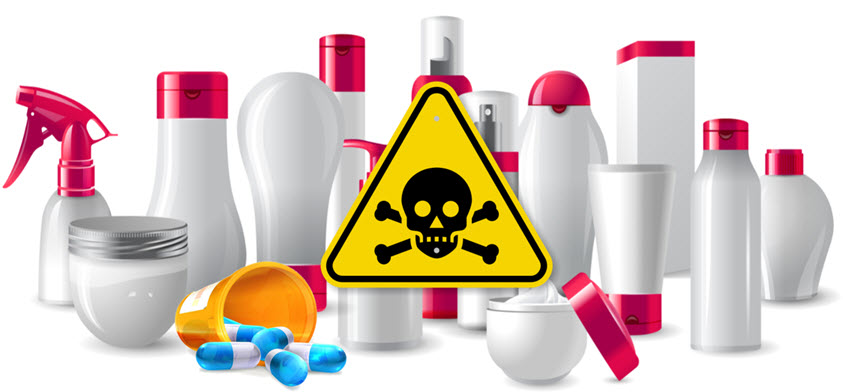
Parabens possess serious estrogen-mimicking properties that are associated with an increased risk of breast cancer and inflammation.
These chemicals are absorbed through the skin and are consistently found in biopsy samples from breast tumors.
They can commonly be found in makeup, body washes, deodorants, shampoos, and facial cleansers.
You can also find them in food and pharmaceutical products.

2. Phthalates
Phthalates (pronounced as “tha·lates”) are a group of chemicals used in hundreds of products to increase the flexibility and softness of plastics.
The main phthalate found in cosmetics and personal care products is dibutyl phthalate found mainly in nail polish, diethyl phthalate found in perfumes and lotions, and dimethyl phthalate in hair spray.
They are harsh endocrine disruptors and have been linked to increased risk of breast cancer, early breast development in girls, and reproductive birth defects in males and females.

3. SLS / SLES

Sodium Lauryl Sulfate (SLS) and Sodium Laureth Sulfate (SLES) are used as lubricants that can be found in more than 90 percent of personal care and cleaning products (think shampoos and liquid soaps).
SLS’s are well-known skin, lung, and eye irritants.
But, the major concern about SLS/SLES is their ability to interact and combine with other chemicals in soaps to form nitrosamines, a serious carcinogen.
SLS is also very effective at penetrating the skin and entering the bloodstream, it also opens the skin up for easier penetration from other chemicals & toxins found in soaps and shampoos.
SLS and SLES are also often contaminated with 1,4 dioxane, a byproduct of the manufacturing process that is also carcinogenic to humans and can cause serious damage over time to the kidneys, liver, and central nervous system.
4. Formaldehydes
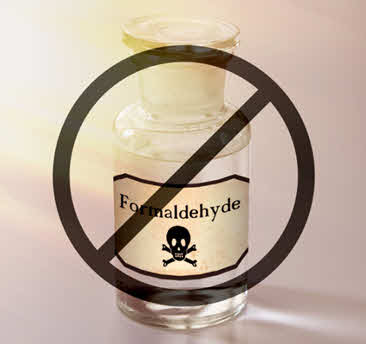
Formaldehyde and formaldehyde-releasing preservatives (FRP’s) are used in many cosmetic products to help prevent bacteria growth.
This chemical was deemed as a human carcinogen by The International Agency for Research on Carcinogens (IARC) and has been linked to cancers: nasal, throat, and lung.
It is also known to cause serious allergic skin reactions and it may also be harmful to the immune system.
But… It’s still legal in the USA and Canada, and it can be found in many common nail polishes, body washes, conditioners, shampoos, cleansers, eye shadows and nail polish treatments.

Toxin-Free & Alternative Makeup Brands
You DO have options. Great brands do exist who understand that the products we use to look and smell good should not kill us.
This is a list of makeup brands that focus on clean, organic, cruelty-free practices, and are low toxicity products.


The Bottom Line
Toxins are in almost every processed food or beauty product we use today.
It’s not easy to get away from.
BUT, education and knowledge are so important because it allows you, the consumer, to make more informed and, frankly, better choices when you buy.
Detoxing from these harmful chemicals involves a combination of smart dietary choices, supportive supplements, and lifestyle adjustments.
By taking these steps, you can significantly reduce your exposure to toxins and enhance your body’s natural detoxification processes.
It’s all about making informed choices and prioritizing your health—because you deserve to feel your best every day.
Current Offers


Sale Details:
⚡Enjoy Super Savings On All Multi Packs and Custom Bundles!⚡
Last Day To Save --> April 17th, 2026
1. Save Up To 50% Off On Multi Packs.
2. Save Up To 60%+ Off Regular Prices With Custom Bundles.

Use Promo Code --> super15 To Unlock These Savings.
Take Advantage While You Can... Because, Why Pay More?
Shop Now
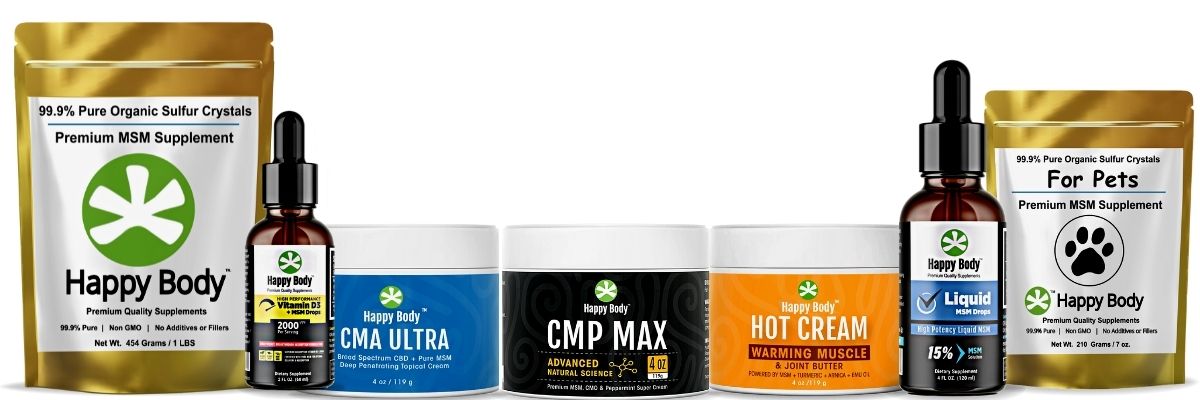

Shop USA Store

All Orders Ship From Our California Warehouse
Shop Canada Store

All Orders Ship From Our Toronto Warehouse
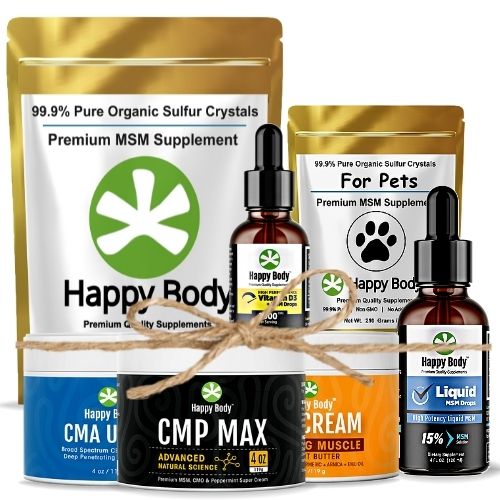
Happy Body Bundles
Try Different Product Bundles & Save Up To 53% With Free Shipping!

*Note some products are not available in Canada at this time
Shop Bundles USA
Shop Bundles Canada
Disclaimer: Information presented on this site is of a general nature used for educational and information purposes only. Statements or opinions about products and health conditions have not been evaluated by the US Food and Drug Administration or Health Canada. Products and information stated herein are not intended to diagnose, treat, cure, or prevent any disease or condition. If you have any concerns about your own health or are wanting to use a new mineral supplement, vitamin or herbal supplement, you should always consult with your physician or other healthcare professional first. Do not use information on this site or on our social media pages as a replacement for validated medical information / opinion, or as a basis for self-diagnosis. This is the same for your pet; always consult with your veterinarian before starting your pet on any new pet supplement or vitamin first.
Pricing: For our website and catalog, the Regular (Reg) Price is also referred to as the MSRP is the “Manufacturer’s Suggested Retail Price.” The MSRP is understood to mean the price at which a manufacturer will recommend a retailer or reseller to sell a product for in stores, on the internet, or in catalogs. For Happy Body Store/Happy Body/HappyBody branded items, the MSRP is calculated based on a varying percentage above the product’s completed production price & associated administration, marketing & logistics. Prices can change at any time for any reason. Pricing & sales offers can change at any time without notice, and at our sole discretion.