

The Magic of Sourdough

Healthy bread that also tastes amazing? It may seem too good to be true, but that is the magic of sourdough bread!
This delicious, nutritious traditional way of baking bread is back with booming popularity, and we are here for it!
Sourdough isn’t just bread; it’s a slice of human history.
Its origins can be traced back thousands of years to ancient civilizations.
Early versions of sourdough were not only a staple food but also considered a symbol of life itself.

Sourdough bread is not only a delectable treat for your taste buds; it’s a wholesome choice for your overall well-being.
Packed with a host of health benefits, this age-old bread offers a unique combination of nutrition and digestibility.
From its gut-friendly probiotics to its lower glycemic index, sourdough boasts a range of advantages that make it stand out in the world of bread.
Today, bubbling jars of thriving bacterial culture can be found in many homesteading kitchens around the world as the secrets of this magical starter continue to be passed down.
In this article, we’ll delve into the numerous ways that enjoying sourdough can be a delicious and health-conscious decision.
Gut Friendly Goodness

At the heart of sourdough’s gut-friendly reputation lies its unique fermentation process.
When making sourdough, a mixture of flour and water is left to ferment for an extended period, typically using wild yeast and lactic acid bacteria. This fermentation process is what sets sourdough apart from regular bread, and it’s the key to its gut-loving benefits.
During fermentation, these friendly bacteria work their magic by breaking down complex carbohydrates and proteins, making them easier for your digestive system to handle. As a result, when you enjoy a slice of sourdough, you’re not just indulging in a delightful taste; you’re also treating your gut to a digestive vacation.

The presence of these beneficial bacteria also contributes to a more harmonious gut environment. They help maintain a balanced gut microbiome, which is crucial for overall health.
A well-balanced gut microbiome has been linked to better digestion, enhanced nutrient absorption, and even a stronger immune system. So, when you make sourdough a part of your diet, you’re not just nurturing your gut; you’re fostering a thriving ecosystem of beneficial microbes that can support your well-being in various ways.
Moreover, sourdough’s fermentation process has another trick up its sleeve: it reduces the content of antinutrients like phytic acid. These antinutrients can hinder the absorption of essential minerals in your body.
By breaking them down during fermentation, sourdough makes these minerals, such as calcium, magnesium, and iron, more readily available for absorption. It’s like sourdough is saying, “Here, have some minerals with that delicious slice.”
So, the next time you bite into a tangy, chewy piece of sourdough, know that you’re not just indulging your taste buds; you’re also giving your gut a reason to smile.
Sourdough: The Bread That Tames the Gluten Monster

Even if you aren’t a part of the 1% of the population who are celiac, a chronic autoimmune disorder triggered by the consumption of gluten-containing foods, you may still be familiar with the bloating and indigestion that consuming gluten can often bring.
We all have that one friend or family member who jokes that they gain weight just looking at a piece of bread.

The reason some people can digest sourdough bread more easily compared to conventional bread lies in the fermentation process and the way it affects gluten. Let’s break it down:


Gluten Content:
Gluten is a protein found in wheat and related grains like barley and rye. It’s the culprit behind gluten sensitivity and celiac disease. Conventional bread, especially those made from refined flours, often contains high levels of gluten. For individuals with gluten sensitivity or celiac disease, consuming regular bread can lead to digestive discomfort, inflammation, and other health issues.

Fermentation:
Sourdough’s fermentation process sets it apart. During fermentation, wild yeast and lactic acid bacteria work their magic on the dough. They break down complex proteins, including gluten, into simpler and more easily digestible components. This process reduces the gluten content in the final bread product, making it potentially more tolerable for some individuals with mild gluten sensitivity.

Prebiotic Benefits:
Sourdough’s beneficial bacteria create a more favorable environment in the gut. This can enhance overall gut health and potentially help some people tolerate sourdough bread better than regular bread. The probiotics produced during fermentation can aid digestion and promote a balanced gut microbiome.

However, it’s crucial to note that sourdough is not a gluten-free option and is not suitable for individuals with celiac disease or severe gluten intolerance.
The reduction in gluten content through fermentation may make it more digestible for those with mild sensitivity, but it doesn’t eliminate gluten entirely.
The fermentation process of sourdough makes it a potentially friendlier option for individuals with mild gluten sensitivity.
Still, it’s essential to exercise caution if you have a medically diagnosed gluten-related disorder like celiac disease, as even sourdough contains some gluten and may not be safe for those individuals.
Blood Sugar Friendly

Sourdough bread’s impact on blood sugar is primarily attributed to its unique fermentation process.
During this process, naturally occurring yeast and lactic acid bacteria break down carbohydrates in the dough. This prolonged fermentation period allows for the conversion of complex carbohydrates into simpler sugars, resulting in bread with a lower glycemic index compared to conventionally leavened bread.
The glycemic index (GI) measures how quickly carbohydrates in food raise blood sugar levels after consumption. Foods with a high GI cause rapid spikes in blood sugar, while those with a low GI lead to more gradual and stable increases.
Sourdough’s lower GI means that the carbohydrates it contains are absorbed more slowly by the body, resulting in a milder and more sustained impact on blood sugar levels.
Nutrient Transporter

Sourdough bread can enhance the availability of certain nutrients through its fermentation process. Here’s how it can boost the nutritional profile of bread:
Mineral Absorption:
Sourdough’s fermentation process helps break down phytic acid, a compound found in grains that can inhibit the absorption of essential minerals like calcium, magnesium, and iron. By reducing phytic acid levels, sourdough makes these minerals more bioavailable for absorption in the digestive system. This means that your body can benefit more from the minerals present in the bread, contributing to improved overall nutrient intake.
B-Vitamin Synthesis:
Sourdough fermentation can also lead to the synthesis of certain B vitamins, particularly B2 (riboflavin), B3 (niacin), and B6 (pyridoxine). The activity of lactic acid bacteria during fermentation contributes to the production of these vitamins. As a result, sourdough bread can provide a small but valuable boost of B vitamins, supporting various bodily functions, including energy metabolism and nerve health.
Digestibility:
The fermentation process in sourdough partially pre-digests the starches and proteins in the dough. This predigestion makes these nutrients more digestible, potentially reducing the likelihood of digestive discomfort for some individuals. It can also enhance the overall absorption of nutrients from the bread, making it easier for the body to extract valuable energy and building blocks from the bread.

While sourdough does offer these nutritional benefits, it’s important to remember that the exact nutrient content can vary depending on the specific recipe and fermentation duration.
Loads of Flavour > No Additives

Sourdough isn’t just about the health benefits; it’s a flavor explosion in every mouthful.
The slow rise and fermentation develop a complex and robust flavor profile that’s hard to beat. It can be nutty, slightly tangy, and oh-so-satisfying.
There is also the comfort in knowing exactly what is in your bread. With all of the terrifying toxic ingredients lurking in commercially made foods, being able to make your own, healthy breads is an amazing gift you can give yourself and your family.
And forget about artificial preservatives; sourdough has been preserving bread since time immemorial.
The lactic acid produced during fermentation acts as a natural preservative. It helps inhibit the growth of harmful microorganisms, keeping your bread fresh for longer without the need for any chemical additives. In a world that’s all about going back to basics, sourdough is leading the charge.
Whether you’re making a sandwich or enjoying it with a bit of butter, sourdough bread elevates every meal to a culinary delight.
Beware of Basic Bread

A big reason to choose sourdough over commercially produced regular bread is the dramatic difference in ingredients.
Not only is sourdough much easier to digest and offers a far greater nutrient profile, it is also just flour, water, and salt.
The typical generic bread found at your local supermarket can contain dozens of ingredients, most of them being preservatives.
Ed Wood in the book Classic Sourdoughs warned:
“Within just the last hundred years, there have been monumental changes to what we call bread, and these changes are mostly for the worse. …the baking industry adds a plethora of chemicals to flour and dough to change their physical characteristics and improve their ‘machinability.’
“These include surface-active agents (surfactants) to help doughs go through machinery without sticking or tearing, other chemicals to soften the final bread texture or strengthen the dough by modifying the gluten, and a host of emulsifiers just to improve the mixing characteristics or increase shelf life.
“All of these additives have one thing in common: no, or very limited, nutritional value. At least one of them, potassium bromate, has been banned worldwide as a potential carcinogen.”
Sourcing simple, healthy bread from your local bakery, or better still, baking it yourself with sourdough starter you cultured allows you to have control over those ingredients and to avoid all of those nasty toxins.
Start Your Own Starter

A sourdough starter is simply a mixture of flour and water that captures wild yeast and lactic acid bacteria from the environment. This starter is a crucial ingredient in sourdough bread-making, as it provides the leavening agent responsible for the bread’s rise and distinctive flavor.
Sourdough has become so wildly popular you most likely have a friend, family member, or neighbor willing to share in the goodness. You can usually find fresh sourdough bread at your local bakery or health food store, or you can even order some freeze-dried starter online!
The great thing about this starter is it isn’t just for bread. You can also use sourdough starter to slow ferment pastry, cookies, pizza dough, and many other recipes to increase the nutrition and digestibility.
You can easily make your own starter at home with just a few ingredients.

Here’s how to create and maintain a sourdough starter:
Ingredients:
- Flour: You can use all-purpose flour, whole wheat flour, or a combination of both.
- Water: Use non-chlorinated water, as chlorine can inhibit fermentation.
- Time and Patience: Creating a sourdough starter requires several days of fermentation
Instructions:
Day 1: Creating the Initial Starter
- In a clean glass or plastic container, mix equal parts (by weight) of flour and water. A common starting point is 100 grams of each. Stir well to create a thick, pancake batter-like consistency.
- Cover the container loosely with a lid or cloth to allow airflow. Keep it at room temperature (around 70-75°F or 21-24°C).
- Let the mixture sit for 24 hours.
Day 2: First Feeding
- Check your mixture for any signs of bubbles or slight expansion. Some activity may have started.
- Discard half of the mixture, and add equal parts of flour and water (100 grams each) to what remains. Stir well.
- Cover and let it sit for another 24 hours.
Day 3 and Beyond: Daily Feedings
- Continue the feeding process daily, discarding half of the mixture and adding equal parts of flour and water (100 grams each).
- After a few days, you should start to see more pronounced bubbles, and the mixture will become more active, with a slightly sour smell.
- Depending on the ambient temperature and other factors, it may take 5-7 days or even longer for your sourdough starter to become sufficiently active.
 Maintenance:
Once your sourdough starter is active (bubbling regularly and doubling in size within 4-8 hours after feeding), it’s ready to use in sourdough bread recipes. To keep it healthy and maintain its activity, continue with daily feedings or refrigerate it and feed it weekly when not in use. Always maintain an equal ratio of flour and water in your feedings.
Sourdough starters can become cherished family heirlooms when properly cared for, with some starters being passed down for generations. They add unique flavors and textures to your bread and are the foundation of the art of sourdough baking.
Get Baking!
If you want a book you can hold in your hand to help guide you through the process of creating your own starter and baking beautiful sourdough foods, we recommend checking out this simple beginner’s guide:
Ferment & Flourish : The Art of Sourdough

Bottom Line
Choosing sourdough for your health is a multifaceted decision.
It’s about nourishing your body with bread that’s easier on your gut, kinder to your blood sugar levels, and more generous with essential nutrients.
Plus, its unique flavor profile and timeless appeal make it a delightful and nutritious addition to your daily diet. So, why settle for plain bread when you can savor the healthful benefits of sourdough?
Sources & References
1. “Nutritional Benefits of Sourdough; A Systematic Review” – NIH, 2023 – DOI: 10.1016/j.advnut.2022.10.003
2. “The Acute Impact of Ingestion of Sourdough and Whole-Grain Breads on Blood Glucose, Insulin, and Incretins in Overweight and Obese Men”- NIH, 2012 – DOI: 10.1155/2012/184710
3. “Effect of Different Fermentation Condition on Estimated Glycemic Index, In Vitro Starch Digestibility, and Textural and Sensory Properties of Sourdough Bread”- NIH, 2021- DOI: 10.3390/foods10030514
4. “Consumption of Sourdough Breads Improves Postprandial Glucose Response and Produces Sourdough-Specific Effects on Biochemical and Inflammatory Parameters and Mineral Absorption” – ACS Publications, 2021 – DOI: https://doi.org/10.1021/acs.jafc.0c07200
5. “Sourdough Microbiome Comparison and Benefits” – NIH, 2021 – DOI: 10.3390/microorganisms9071355
6. “Sourdough Fermentation as a Tool to Improve the Nutritional and Health-Promoting Properties of Its Derived-Products” MDPI, 2021 – DOI: https://doi.org/10.3390/fermentation7040246
7. “Does sourdough bread provide clinically relevant health benefits?” – ResearchGate, 2023 – DOI:10.3389/fnut.2023.1230043
8. “Mouse feeding study and microbiome analysis of sourdough bread for evaluation of its health effects.” – Front. Microbiol., 2022 – DOI: https://doi.org/10.3389/fmicb.2022.989421
9. “Metabolic profiling of sourdough fermented wheat and rye bread.” – Sci Rep, 2018 – DOI: https://doi.org/10.1038/s41598-018-24149-w
10. “The Mediterranean way: why elderly people should eat wholewheat sourdough bread.” – Aging Clin Exp Res, 2020 – DOI: https://doi.org/10.1007/s40520-019-01392-3
Current Offers


Sale Details:
⚡Enjoy Super Savings On All Multi Packs and Custom Bundles!⚡
Last Day To Save --> April 23rd, 2026
1. Save Up To 50% Off On Multi Packs.
2. Save Up To 60%+ Off Regular Prices With Custom Bundles.

Use Promo Code --> super15 To Unlock These Savings.
Take Advantage While You Can... Because, Why Pay More?
Shop Now

Product Reviews & Ratings Can Change Over Time.

Product Reviews & Ratings Can Change Over Time
Shop USA Store

All Orders Ship From Our California Warehouse
Shop Canada Store

All Orders Ship From Our Toronto Warehouse
Bundles
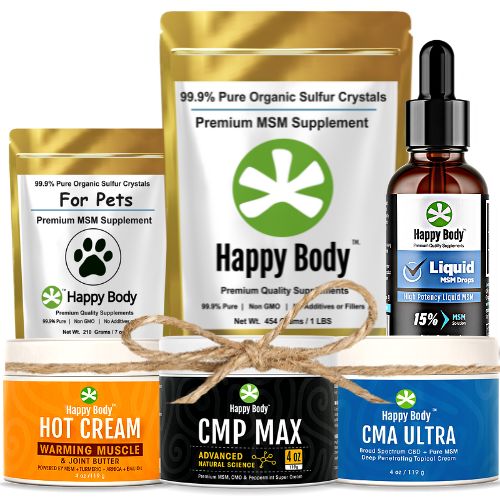
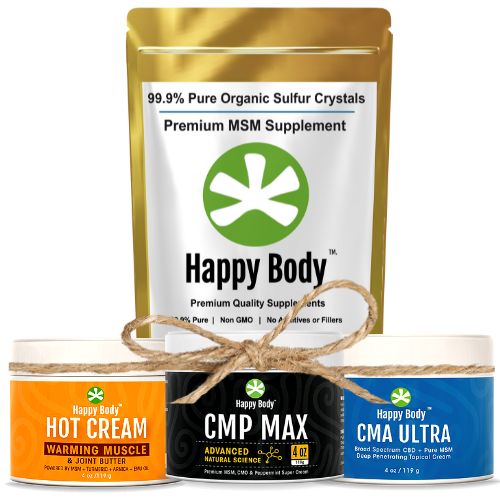
Mix, Match Save With Happy Body Bundles.
Try other highly rated Happy Products for savings of up to 60%+ off regular single unit prices.
Please note: Some products not available in Canada at this time.
Happy Body Bundles
Mix & Match Happy Body’s Highly Rated Products & Save BIG!!!


Shop Bundles USA

Shop Bundles Canada

Disclaimer: Information presented on this site is of a general nature used for educational and information purposes only. Statements or opinions about products and health conditions have not been evaluated by the US Food and Drug Administration or Health Canada. Products and information stated herein are not intended to diagnose, treat, cure, or prevent any disease or condition. If you have any concerns about your own health or are wanting to use a new mineral supplement, vitamin or herbal supplement, you should always consult with your physician or other healthcare professional first. Do not use information on this site or on our social media pages as a replacement for validated medical information / opinion, or as a basis for self-diagnosis. This is the same for your pet; always consult with your veterinarian before starting your pet on any new pet supplement or vitamin first.
Pricing: For our website and catalog, the Regular (Reg) Price is also referred to as the MSRP is the “Manufacturer’s Suggested Retail Price.” The MSRP is understood to mean the price at which a manufacturer will recommend a retailer or reseller to sell a product for in stores, on the internet, or in catalogs. For Happy Body branded items, the MSRP is calculated based on a varying percentage above the product’s completed production price & associated administration, marketing & logistics. Prices can change at any time for any reason. Pricing & sales offers can change at any time without notice, and at our sole discretion.