

Unlocking the Secrets of Salt

Salt is a mineral that has sparked endless debates among health experts, nutritionists, and everyday consumers.
While many vilify salt and the role it plays in hypertension and cardiovascular diseases, other experts emphasize its indispensable contribution to bodily functions.
Salt (in its natural form), is HEALTHY!
Despite the controversy, 1 fact remains clear: salt is a vital component of our health.
From regulating fluid balance to enabling nerve transmission, this humble mineral is essential for survival.
Brief History of Salt in Daily Life

Salt – it’s not just for popcorn and pretzels.
This humble mineral has a rich history that’s sprinkled with intrigue, rebellion, and even a dash of civil disobedience.
From ancient mummification to space travel, salt has played unexpected roles across centuries.
- 6000 BCE: The ancient Egyptians used salt in their religious offerings and for mummification, demonstrating early knowledge of its preservative properties.
- 2000 BCE: The Chinese recorded one of the earliest known treaties on pharmacology, which included a detailed discussion on 40 different types of salt and their uses in medicine.
- Roman Empire: The term “salarium” (from which the word “salary” is derived) referred to the payment made to Roman soldiers to buy salt, highlighting its value and necessity.
- 476 CE: After the fall of the Roman Empire, salt became so scarce in Europe that it was sometimes used as currency. In some places, people paid taxes with salt.
- Medieval Europe: Nobles would sit closer to the salt cellar at medieval banquets, leading to the terms “above the salt” (important people) and “below the salt” (lesser-status individuals).
- 1600s: In France, the gabelle, a tax on salt, was so unpopular that it led to widespread smuggling and was one of the contributing factors to the French Revolution.
- American Revolution: During the American Revolution, the British strategy to control salt supplies was intended to weaken the Colonial rebellion by limiting their ability to preserve food.
- 1800s: Gandhi’s Salt March in 1930 was a pivotal act of civil disobedience against British colonial rule, protesting the British monopoly on salt production and sales in India.
- Modern Era: In 2006, the town of Cardona in Spain opened its salt mountain for tourism. The mountain is essentially a giant outcrop of pure rock salt, attracting visitors with its unique natural formation.
- NASA’s Space Missions: Salt tablets were included in the diet of astronauts during early space missions to help balance their electrolyte levels in zero-gravity environments.

Salt & It’s Origins
Salt, chemically known as sodium chloride (NaCl), is a crystalline mineral composed of two essential elements: sodium and chlorine.
These elements are crucial for various bodily functions, including maintaining fluid balance, transmitting nerve impulses, and contracting muscles.
In its natural form, salt appears as translucent, white crystals, but it can also come in a variety of colors and textures depending on its source and processing methods.

Salt is harvested from two primary sources: evaporated seawater and mined rock deposits. Each source has its own unique characteristics and environmental implications.
- Sea Salt:
- Production: Sea salt is produced by evaporating seawater. The process involves channeling seawater into shallow ponds where it is left to evaporate under the sun, leaving behind salt crystals. This method retains trace minerals like magnesium, calcium, and potassium, giving sea salt its distinct flavor and nutritional benefits.
- Regions: Major sea salt production regions include the Mediterranean Sea, the Atlantic Ocean, and coastal areas of France, particularly the famous Fleur de Sel from Brittany.
- Rock Salt:
- Production: Rock salt, also known as halite, is extracted from underground salt deposits formed from ancient bodies of water that evaporated millions of years ago. These deposits are mined using traditional mining techniques or through solution mining, where water is pumped into the deposit to dissolve the salt, which is then brought to the surface and evaporated.
- Regions: Significant rock salt deposits are found in places like the Khewra Salt Mine in Pakistan, the Wieliczka Salt Mine in Poland, and large salt flats in the United States and Canada.
Varieties of Salt
Salt comes in various forms, each with unique properties and uses:
Table Salt

Table salt is the most commonly used type of salt in households worldwide.
It’s highly refined and finely ground, which gives it a uniform texture and makes it easy to measure and use in cooking and baking.
Production
Table salt is typically mined from underground salt deposits. The extracted salt undergoes extensive processing to remove impurities and trace minerals. It is then fortified with iodine, an essential nutrient that helps prevent iodine deficiency disorders.
Uses
- Cooking and Baking: Its fine texture makes it ideal for precise measurements.
- Seasoning: Commonly used to season foods at the table.
- Preservation: Used in pickling and preserving foods due to the purity and consistency.
Health Considerations
While table salt is convenient and widely available, standard table salt is terrible!
Its high sodium content can contribute to health issues like hypertension.
Even with the added iodine, table salt is still terrible for you.
It is a highly refined product that often has chemical agents added to preserve the color and prevent caking.

Kosher Salt

Kosher salt is known for its coarse, flaky texture, which makes it a favorite among chefs.
The name “kosher salt” comes from its traditional use in the koshering process of meats, where it effectively draws out blood.
Production
Kosher salt is derived from either seawater or underground deposits.
It undergoes minimal processing compared to table salt, which means it retains a more natural texture and flavor. It is typically free of additives.
Uses
- Cooking: Its coarse grains make it easy to pinch and sprinkle, allowing for more controlled seasoning.
- Meat Koshering: Used in the preparation of kosher meats to draw out blood.
- Flavor Enhancement: Dissolves quickly, enhancing the flavor of dishes without the metallic taste sometimes associated with table salt.
Health Considerations
Kosher salt has no additives or anti-caking agents, making it a purer form of salt.
It is still somewhat processed salt, so it is not the optimal choice for daily use.

Himalayan Pink Salt

Himalayan pink salt is celebrated for its striking pink color and rich mineral content.
It is often marketed as a gourmet salt with potential health benefits due to its trace mineral content.
Production
Mined from the Khewra Salt Mine in the Punjab region of Pakistan, Himalayan pink salt is extracted from ancient sea beds that have remained undisturbed for millions of years.
The salt’s pink hue comes from iron oxide and other trace minerals.
Uses
- Culinary: Used as a finishing salt to add a unique flavor and aesthetic appeal to dishes.
- Health and Wellness: Used in salt lamps and bath salts for purported therapeutic benefits.
- Decoration: Its distinctive color and texture make it popular for decorative culinary presentations.
Health Considerations
Himalayan pink salt contains over 84 trace minerals, including potassium, magnesium, calcium, and iron. These minerals give the salt its distinctive pink hue and contribute to various health benefits, such as improved hydration, electrolyte balance, and bone health.
Inhaling a saline solution made with Himalayan pink salt can help reduce respiratory issues. Salt inhalation therapy, also known as halotherapy, can help clear mucus, reduce inflammation, and alleviate symptoms of conditions such as asthma, allergies, and bronchitis.

Celtic Sea Salt

Celtic sea salt, also known as sel gris or “grey salt,” is harvested using traditional methods from the coastal regions of France. It is prized for its high mineral content and moist, coarse texture.
Production
This salt is harvested by hand from salt evaporation ponds in Brittany, France. The process involves channeling seawater into shallow clay ponds, where it evaporates under the sun. The remaining salt is then hand-raked to preserve its mineral content and moisture.
Uses
- Culinary: Ideal for seasoning and finishing dishes due to its robust flavor.
- Health and Wellness: Used in salt baths and for making sole water, a traditional health tonic.
- Preservation: Its natural moisture content makes it effective for curing and preserving foods.
Health Considerations
Celtic sea salt is rich in minerals like magnesium, calcium, and potassium, which can contribute to overall health.
Its lower sodium content compared to table salt makes it a popular choice for those looking to reduce sodium intake while still enhancing flavor.

Fleur de Sel

Fleur de Sel, meaning “flower of salt,” is a delicate and rare type of sea salt known for its fine, flaky crystals and subtle, complex flavor. It is often regarded as the finest of all sea salts.
Production
Fleur de Sel is harvested by hand from the surface of salt evaporation ponds in coastal regions, particularly in Brittany, France. The salt forms delicate crystals on the water’s surface, which are carefully skimmed off using traditional wooden tools.
Uses
- Gourmet Cooking: Used as a finishing salt to enhance the flavor and texture of dishes.
- Confectionery: Adds a sophisticated touch to desserts and chocolates.
- Garnishing: Sprinkled on dishes just before serving to provide a burst of flavor.
Health Considerations
Fleur de Sel contains a variety of trace minerals, which contribute to its unique flavor profile. Its delicate nature and high cost make it best used as a finishing salt rather than a primary seasoning.

Black Salt (Kala Namak)

Black salt, also known as Kala Namak, is a type of rock salt with a distinctive sulfurous smell and taste.
Black salt is commonly used in South Asian cuisine and Ayurvedic medicine for its unique flavor and purported health benefits.
Production
Black salt is traditionally sourced from the salt mines in the Himalayan regions of Pakistan and India.
The salt undergoes a process of heating in a furnace along with various ingredients such as harad seeds, charcoal, and small quantities of other spices and herbs. This process gives the salt its characteristic dark color and pungent, sulfurous aroma.
Uses
- Culinary: Widely used in South Asian dishes, especially in chaat masala, chutneys, and raitas. It adds a tangy, umami flavor that is prized in vegan and vegetarian dishes for its egg-like taste.
- Health and Wellness: In Ayurvedic medicine, black salt is believed to aid digestion, improve eyesight, and treat various digestive ailments.
- Seasoning: Often used as a finishing salt to enhance the flavor profile of fruits and salads.
Health Considerations
Black salt is lower in sodium compared to regular table salt and contains minerals like iron and sulfur, which contribute to its unique taste and potential health benefits. However, the sulfur content can be strong, so it should be used sparingly in cooking.

The Importance of Salt for the Body
Salt is not just a flavor enhancer; it plays a crucial role in maintaining our overall health.
Understanding the importance of salt, particularly its components, sodium and chloride, helps us appreciate why this mineral is vital for our bodily functions.
The Role of Electrolytes

Electrolytes are minerals that dissolve in bodily fluids and carry an electric charge. They are essential for various physiological processes.
Sodium and chloride, the primary components of salt, are key electrolytes that help regulate fluid balance, nerve transmission, and muscle function.
Other important electrolytes include potassium, calcium, and magnesium.
Fluid Balance: Sodium and chloride work together to regulate the body’s fluid balance. Sodium attracts and holds water, maintaining the right amount of fluid inside and outside of cells. This balance is crucial for preventing dehydration and ensuring that cells function properly. The kidneys play a key role in managing sodium levels, excreting excess amounts through urine to maintain balance.
Nerve Function: Sodium is essential for generating and transmitting nerve impulses. When a nerve cell is activated, sodium ions rush into the cell, creating an electrical signal. This signal travels along the nerve fiber and is essential for brain function, muscle movement, and sensory perception. Chloride ions help stabilize the electrical charge within cells, ensuring smooth nerve signal transmission.
Muscle Contraction: Muscle cells rely on a delicate balance of sodium, potassium, and calcium to contract and relax. Sodium ions enter muscle cells during contraction, while potassium exits. This exchange generates the electrical impulses needed for muscle movement. Without adequate sodium, muscles can become weak or spasm, leading to conditions like cramps or fatigue.
Stomach Acid: Salt, particularly natural sea salt, plays a crucial role in promoting healthy stomach acid production. Sodium chloride in salt helps stimulate the production of hydrochloric acid (HCl) in the stomach, which is essential for proper digestion and absorption of nutrients. Adequate stomach acid ensures that food is broken down efficiently, preventing issues like bloating, indigestion, and nutrient deficiencies. Additionally, salt helps maintain the optimal pH balance in the stomach, which is vital for killing harmful bacteria and pathogens, thus supporting overall gut health

Consequences of Too Little Salt Intake

While excessive (table) salt intake can be harmful, too little salt actually has MORE serious consequences:
Dehydration: Inadequate salt intake can disrupt fluid balance, leading to dehydration. Symptoms of dehydration include dizziness, headache, fatigue, and, in severe cases, confusion and fainting.
Hyponatremia: Hyponatremia occurs when blood sodium levels drop too low. This condition can result from excessive water intake or inadequate sodium consumption. Symptoms include nausea, headache, confusion, seizures, and, in severe cases, coma.
Muscle Cramps and Weakness: Insufficient sodium levels can cause muscle cramps, spasms, and overall weakness. This is particularly important for athletes and individuals engaged in strenuous physical activities, as they lose sodium through sweat.
Nerve Dysfunction: Low sodium levels can impair nerve function, leading to symptoms such as numbness, tingling, and in severe cases, neurological problems like seizures or coma.
Poor Digestion & Nutrient Absorption: Insufficient salt intake can lead to inadequate production of stomach acid, which has several negative consequences for digestion.
Without enough hydrochloric acid (HCl), the stomach struggles to break down food properly, resulting in poor nutrient absorption and deficiencies.
Low stomach acid can also cause digestive discomforts, such as bloating, gas, and indigestion, as food sits in the stomach longer than it should.
Additionally, the decreased acidity allows harmful bacteria and pathogens to thrive, increasing the risk of infections and gastrointestinal issues. Overall, too little salt can significantly impair digestive health and overall well-being.

Maintaining the right balance of sodium and chloride is essential for overall health.
While it is important to monitor salt intake to prevent overconsumption, ensuring you get enough salt is equally crucial for keeping your body’s systems functioning optimally.
Negative Aspects of Excessive Table Salt Intake

Salt, while essential for our bodies, can become detrimental when consumed in excess.
Here are the key health risks associated with high sodium consumption and some guidelines to help you manage your intake effectively.
Most of these are in relation to too much table salt, which is highly processed and high in man-made sodium.
Hypertension and Cardiovascular Disease: Excessive sodium intake is a major contributor to high blood pressure (hypertension). High blood pressure increases the risk of developing cardiovascular diseases such as heart attacks and strokes. Sodium causes the body to retain water, which increases the volume of blood, thereby exerting more pressure on blood vessel walls.
Kidney Damage: Your kidneys play a crucial role in filtering excess sodium from your blood. However, a high-sodium diet can overburden the kidneys, leading to reduced kidney function or even kidney disease over time. This strain can cause a buildup of waste products in the blood, further harming the kidneys.
Bone Health and Calcium Loss: Consuming too much salt can lead to calcium loss through urine. This is particularly concerning for bone health, as calcium is vital for maintaining strong bones. Chronic high sodium intake can contribute to osteoporosis and increase the risk of fractures.
Fluid Retention and Swelling: High sodium levels can cause the body to retain water, leading to swelling in various parts of the body, such as the hands, feet, and ankles. This fluid retention can be uncomfortable and is often a sign that your body is struggling to balance its sodium levels.

Don’t Be Afraid of Salt, Just Be Mindful
The American Heart Association recommends that adults consume no more than 2,300 milligrams (about one teaspoon) of sodium per day, with an ideal limit of 1,500 milligrams for most adults, especially those with high blood pressure.
Children should consume even less, with guidelines varying by age.
But, when using natural salts, ie Celtic, or Himalayan forms, you can actually be quite liberal with it, unless you are dealing with complex medical issues.
Here are some other salt tips:
- Read Labels: Check the sodium content on food labels. Many processed and packaged foods contain high levels of table salt / sodium.
- Cook at Home: Preparing meals at home allows you to control the amount of salt in your food. Use herbs, spices, and citrus juices to enhance flavor without adding salt.
- Limit Processed Foods: Processed foods, such as canned soups, frozen dinners, and snack foods, are often high in sodium. Opt for fresh or minimally processed foods whenever possible.
- Be Cautious with Condiments: Condiments like soy sauce, ketchup, and salad dressings can be significant sources of sodium. Use them sparingly or choose low-sodium alternatives.
- Rinse Canned Foods: If you use canned vegetables or beans, rinse them under water to reduce their sodium content.
- Taste Before Salting: Get into the habit of tasting your food before adding salt. Often, you may find that additional salt isn’t necessary.

By being mindful of your table salt intake and making small adjustments to your diet, you can enjoy the benefits of salt while minimizing the health risks associated with excessive consumption.
Remember, it’s all about finding the right balance for your body’s needs.
Unique and Different Ways to Use Salt
Salt isn’t just a kitchen staple; it’s a multitasking marvel. Here are some unique and intriguing ways to make the most out of this versatile mineral:
Culinary Uses

As a Seasoning to Enhance Flavor: Salt is the original flavor enhancer. A pinch here, a sprinkle there, and suddenly your dish sings. Whether it’s bringing out the sweetness in desserts or balancing bitterness in vegetables, salt is the unsung hero of seasoning.
Preserving Food Through Curing and Fermenting: Before refrigeration, salt was the go-to preservative. From curing meats to fermenting vegetables, salt not only extends shelf life but also adds depth of flavor. Think tangy sauerkraut or savory prosciutto – salt is the secret ingredient.
Baking Essentials: In baking, salt is more than a seasoning. It controls yeast fermentation in bread, strengthens gluten, and balances the sweetness in cookies and cakes. Ever had a bland cake? Probably missing its pinch of salt.
Health and Wellness

Salt Baths for Relaxation and Skin Health: A soak in a salt bath isn’t just relaxing; it’s therapeutic. Epsom salt baths can soothe sore muscles and improve skin health, while Himalayan salt baths detoxify and rejuvenate. It’s like a spa day in your tub.
Salt Lamps for Air Purification and Mood Enhancement: Himalayan salt lamps are all the rage, and for good reason. They’re believed to purify the air by attracting pollutants and allergens. Plus, their warm, pink glow adds a calming ambiance to any room, perfect for a zen den.
Household Uses

Cleaning Abrasive: Need to tackle tough grime? Salt is a natural abrasive that can clean pots, pans, and even your sink. Mix it with vinegar or lemon juice for a powerhouse cleaner that’s eco-friendly and effective.
Stain Removal Techniques: Spilled red wine? No problem. Salt can absorb fresh stains from fabric and carpets. Just sprinkle it on, let it sit, and watch it work its magic before washing or vacuuming away.
Crafts and DIY Projects

Salt Dough for Ornaments and Decorations: Get crafty with salt dough. It’s easy to make and perfect for creating ornaments, keepsakes, or even just a fun rainy-day project with the kids. Just mix salt, flour, and water, shape, bake, and paint.
Salt Painting Activities for Children: Combine creativity with a bit of science for an afternoon of fun. Use salt to create textured paintings. Simply draw with glue, sprinkle with salt, and then add watercolors to watch the colors spread and blend in fascinating patterns.
Bottom Line
Salt is more than just a culinary staple; it’s a vital mineral that plays a significant role in our health and daily lives.
From its essential function in maintaining fluid balance, nerve function, and muscle contraction to its diverse applications in food preservation, health and wellness, and even household tasks, salt is indispensable.
While it’s important to manage our salt intake to avoid health risks, understanding the types and benefits of different salts can help us make informed choices.
Current Offers


Sale Details:
⚡Enjoy Super Savings On All Multi Packs and Custom Bundles!⚡
Last Day To Save --> April 17th, 2026
1. Save Up To 50% Off On Multi Packs.
2. Save Up To 60%+ Off Regular Prices With Custom Bundles.

Use Promo Code --> super15 To Unlock These Savings.
Take Advantage While You Can... Because, Why Pay More?
Shop Now


Shop USA Store

All Orders Ship From Our California Warehouse
Shop Canada Store

All Orders Ship From Our Toronto Warehouse
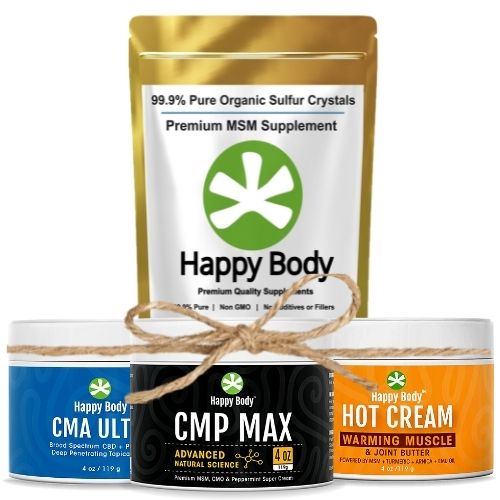
Happy Body Bundles
Try Different Product Bundles & Save Up To 53% With Free Shipping!

*Note some products are not available in Canada at this time
Shop Bundles USA

Shop Bundles Canada
Disclaimer: Information presented on this site is of a general nature used for educational and information purposes only. Statements or opinions about products and health conditions have not been evaluated by the US Food and Drug Administration or Health Canada. Products and information stated herein are not intended to diagnose, treat, cure, or prevent any disease or condition. If you have any concerns about your own health or are wanting to use a new mineral supplement, vitamin or herbal supplement, you should always consult with your physician or other healthcare professional first. Do not use information on this site or on our social media pages as a replacement for validated medical information / opinion, or as a basis for self-diagnosis. This is the same for your pet; always consult with your veterinarian before starting your pet on any new pet supplement or vitamin first.
Pricing: For our website and catalog, the Regular (Reg) Price is also referred to as the MSRP is the “Manufacturer’s Suggested Retail Price.” The MSRP is understood to mean the price at which a manufacturer will recommend a retailer or reseller to sell a product for in stores, on the internet, or in catalogs. For Happy Body Store/Happy Body/HappyBody branded items, the MSRP is calculated based on a varying percentage above the product’s completed production price & associated administration, marketing & logistics. Prices can change at any time for any reason. Pricing & sales offers can change at any time without notice, and at our sole discretion.