

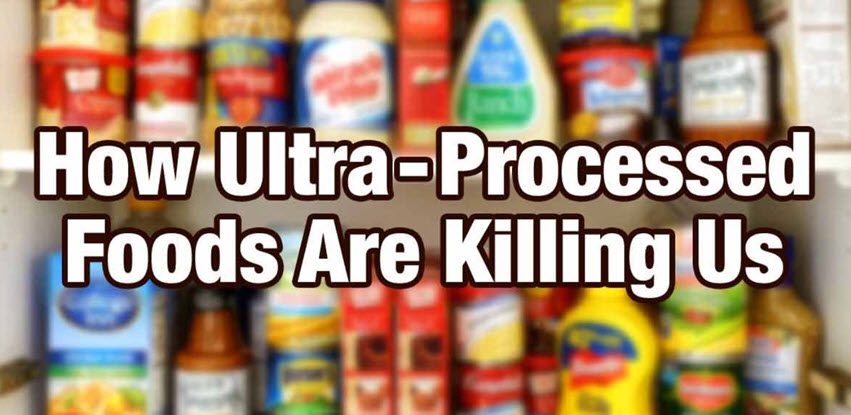
10 Eye-Opening Facts about Ultra Processed Foods:
◼️High in Additives and Preservatives: Ultra-processed foods are packed with artificial ingredients, preservatives, flavor enhancers, and emulsifiers to improve shelf life, taste, and texture.
◼️Linked to Obesity: Studies have found that people who eat more ultra-processed foods tend to consume more calories and have a higher risk of obesity, largely due to high sugar and unhealthy fat content.
◼️Increased Risk of Chronic Diseases: Consistent consumption of ultra-processed foods has been linked to a higher risk of type 2 diabetes, heart disease, and even certain cancers.
◼️Poor Nutritional Value: These foods are often stripped of essential nutrients like fiber, vitamins, and minerals during processing and are often “fortified” with synthetic nutrients instead.
◼️Higher Risk of Depression: Research shows that high consumption of ultra-processed foods can negatively affect mental health, increasing the risk of depression, likely due to inflammation and poor nutrient density.
◼️Filled with Added Sugars: Ultra-processed foods are a leading source of added sugars, contributing to blood sugar spikes, weight gain, and insulin resistance.
◼️Disrupts Appetite Regulation: The addictive flavors and low fiber content in these foods can disrupt normal hunger and fullness signals, leading to overeating.
◼️Fast and Convenient, but Costly to Health: Though they’re easy to prepare, ultra-processed foods come at the cost of health, with the World Health Organization (WHO) advising people to limit their intake for better long-term health.
◼️Harmful to Gut Health: Artificial ingredients in ultra-processed foods, such as emulsifiers, have been shown to disrupt the gut microbiome, leading to inflammation and digestive issues.
◼️Increased Mortality Risk: Studies have found that a diet high in ultra-processed foods can increase the risk of early death due to its links with various health conditions.
We in the US and Canada, eat a lot of ultra-processed food. In fact, according to the USDA, the typical breakdown of the North American diet includes over 57% ultra-processed and refined foods.

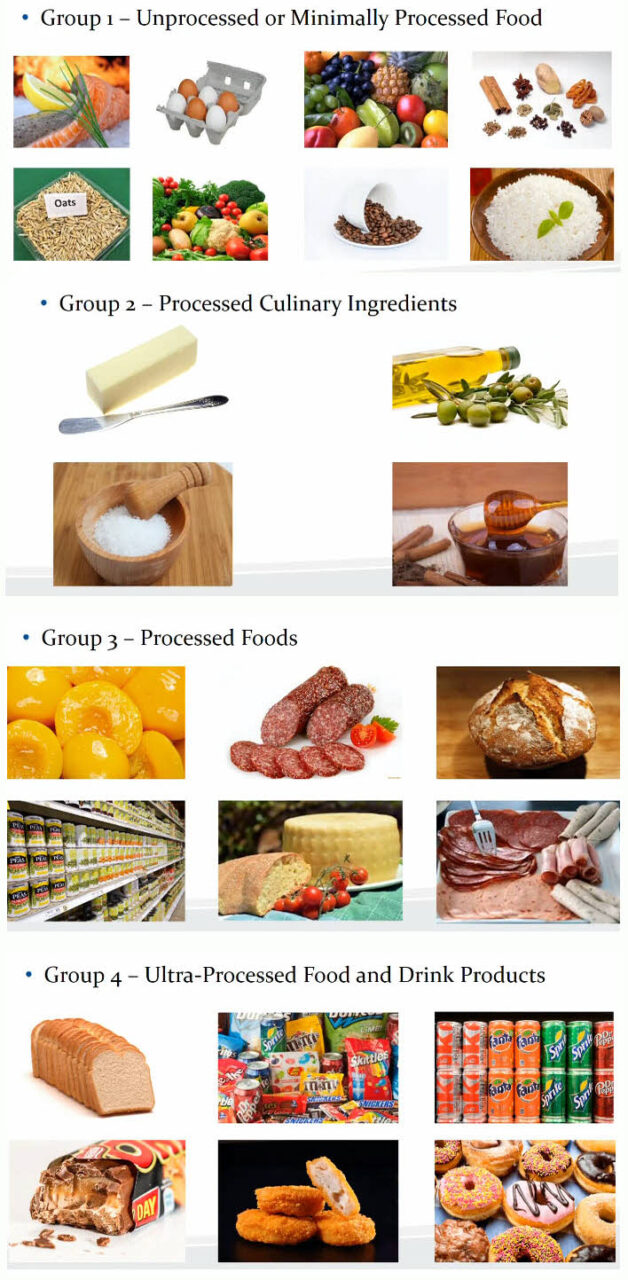
How Foods Are Now Classified.
◼️Unprocessed or “minimally processed” foods (group 1): include fruits, vegetables, and meats. Foods in this category can be processed in ways that don’t add extra ingredients. They can be cooked, ground, dried, or frozen.
◼️Processed culinary ingredients (group 2): include sugar, salt, and fats. If you combine ingredients in this group, for example, to make salted butter, they stay in this group.
◼️Processed foods (group 3): These are what you get when you combine groups 1 and 2, they can include things like bread, wine, and canned veggies.
**Additives are allowed if they “preserve [a food’s] original properties” like ascorbic acid added to canned fruit to keep it from browning.
◼️Ultra-processed foods (group 4): There are “typically” five or more ingredients. They may be aggressively marketed and highly profitable. Food is automatically in this group if it includes “substances not commonly used in culinary preparations, and additives whose purpose is to imitate sensory qualities of group 1 foods or culinary preparations of these foods, or to disguise undesirable sensory qualities of the final product.”
The Risks of Ultra-Processed Foods
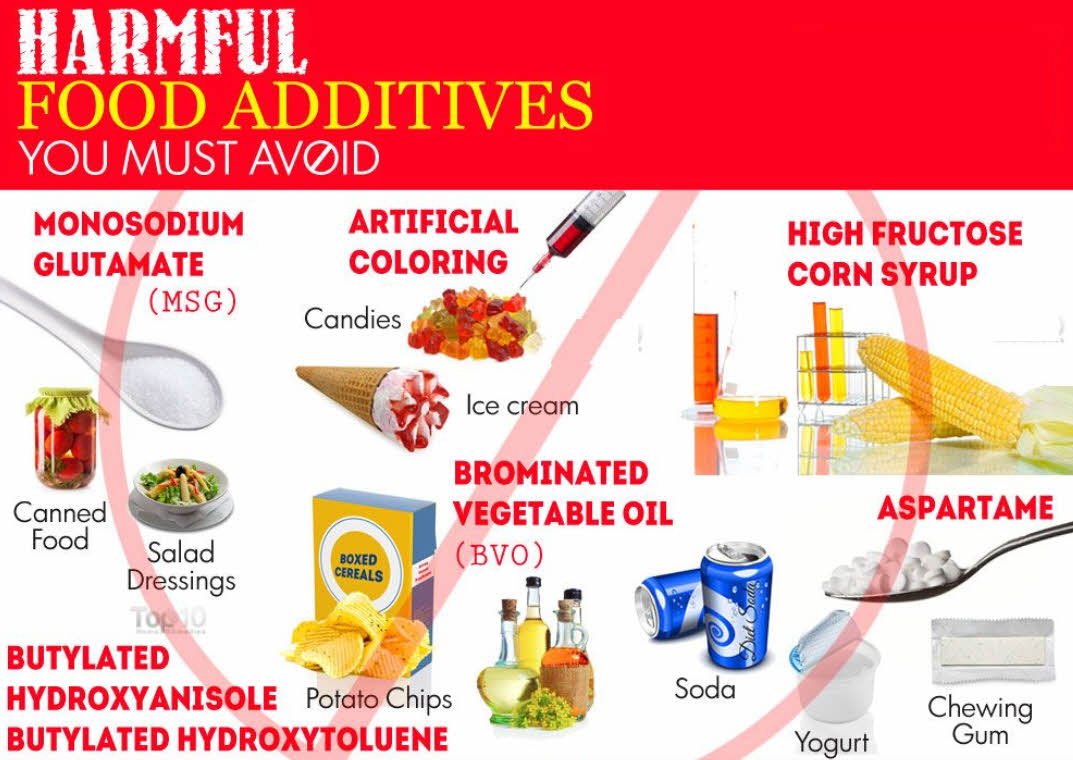
Researchers found those who eat a diet that’s heavy in ultra-processed foods are getting a lot of added preservatives that are known to cause many adverse effects in the body including cancer.
The Hidden Sugars in Everyday Ultra-Processed Foods.
◼️ In ultra-processed foods, sugar also makes up an average of 21.1% of the calories.
◼️ In lower-processed foods, sugar makes up only 2.4% of the calories, on average.
Keep in mind that the USDA dietary guidelines say that sugar should make up only 10 percent of your daily calories. If we ate ultra-processed foods only occasionally, it wouldn’t be as big of a problem.

How Much Sugar We Eat Each Year:

🟦 Researchers also found that almost 58 percent of the calories Americans consume are from ultra-processed foods.
If you’re eating an average American diet, chances are you’re eating too many ultra-processed foods and those foods are adding way more sugar to your diet than you would expect.
You don’t expect, for instance, that a frozen lasagna will contain two teaspoons of sugar per portion.
Neither would you expect that a snack-pack portion of applesauce contains six teaspoons of sugar when homemade applesauce doesn’t need any added sugars to be sweet and delicious.
Increased Cancer Risk
🟦 A 2018 study conducted in France showed people who increased their daily intake of ultra-processed food by 10 percent increased their risk of developing overall cancer by 12 percent and breast cancer by 11 percent.
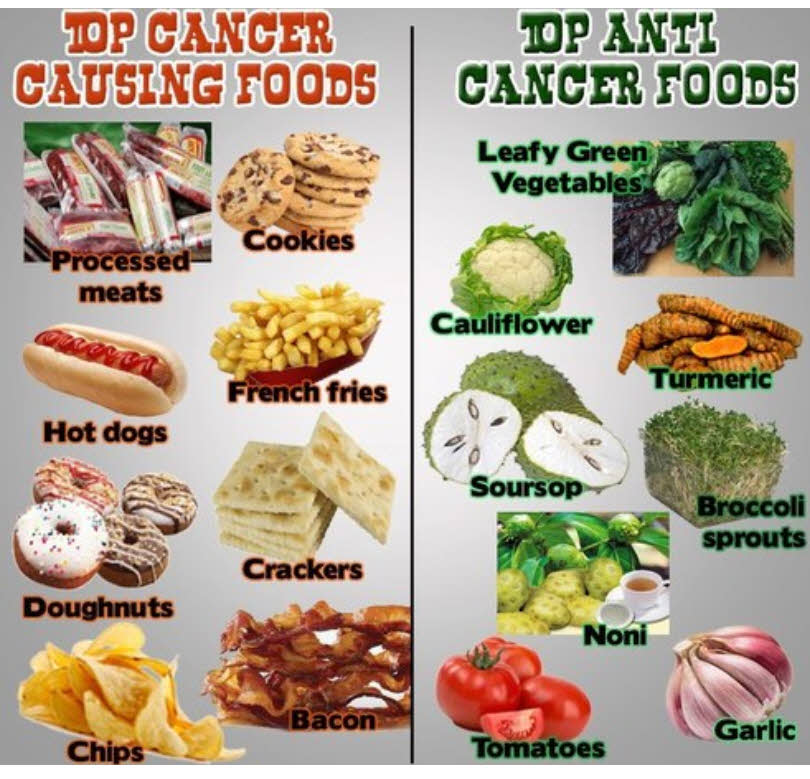
◼️ Ultra Processed Foods contain much higher levels of sodium, sugar, and fat.
◼️ These high levels have been linked to obesity, which can also lead to a greater risk of cancer.
◼️ Some ultra-processed foods contain certain additives that have carcinogenic properties.
***For instance, titanium dioxide is used as a whitening agent or in food packaging to improve food’s texture.
◼️ Studies have shown that these additives may cause lesions on the colon or gastrointestinal inflammation.
◼️ High temperatures used to process the food can create newly formed contaminants.
◼️ Finally, BPA (Bisphenol A) is commonly used in food packaging and can leech into the food.
The Ultra-Processed Foods Spectrum
❌Stuff To Consider Avoiding:
Frozen dinners (yes, that includes pizza), all sodas (even diet!), store-bought cakes and cookies (goodbye, Little Debbie), boxed cake mixes – if your great-grandmother wouldn’t recognize it as a food, it probably isn’t.
🟥Stuff To Consume Once In A While:
Things like jarred pasta sauce, sausage, and store bought salad dressings aren’t terrible in moderation or when you’re short on time but, when possible, it’s best to make your own.
🟨Better: Minimally processed foods:
This includes things like extra virgin olive oil, meats (naturally raised), plain yogurt, nut butters (where the only ingredients are the nut and salt), frozen vegetables, and fruit that have been processed at their peak to lock in freshness and nutrition.
🟩Best: Unprocessed foods:
Fresh fruit, wild-caught fish, and veggies fall into this category. They’re delicious just as nature made ‘em.

How To Make A Shift From Ultra-Processed Foods:
Make gradual changes.
While it’s tempting to make drastic changes, you and your family will have a better chance at sticking to healthy habits if you decide on smaller, simpler changes over time and see them through.
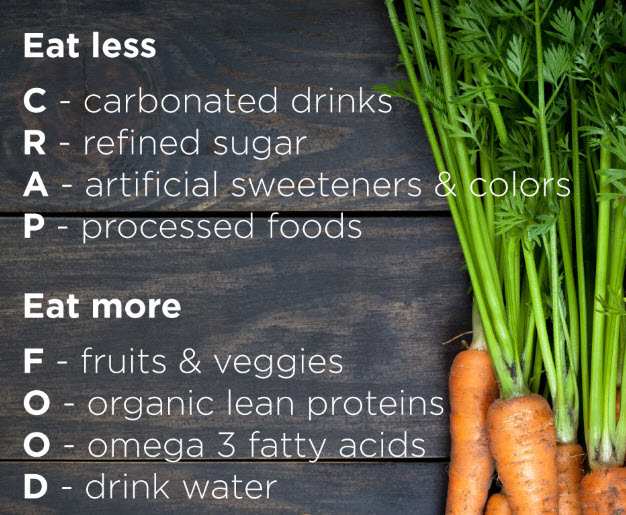
For example, if you usually serve soda or juice with meals, try replacing one glass with water instead.
After a few days, replace another glass.
Not only will this help ease you into changes mentally, but it’ll also help reduce any physical symptoms you might experience.
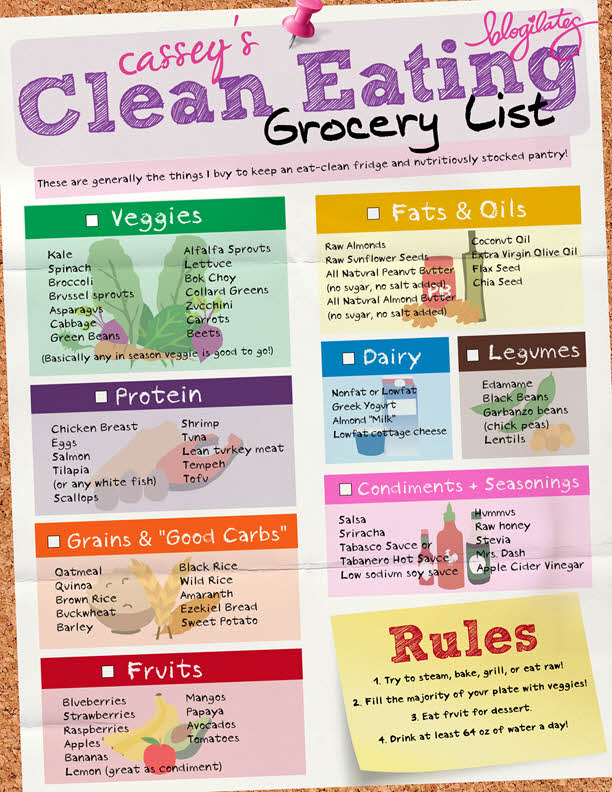
Shop with a grocery list.
It’s a lot easier to make healthy choices and avoid ultra-processed foods when you have a list of the items you’re looking for.
Make a list of the meals you’re preparing for the week and all the ingredients required.
This is a great example of a less-processed grocery list from Casey Sologilates, a famous whole foods nutritionist.
And if you’re thinking of heading to the store without eating, forget about it. Shopping on a full stomach will make it harder to resist those foods you should avoid.
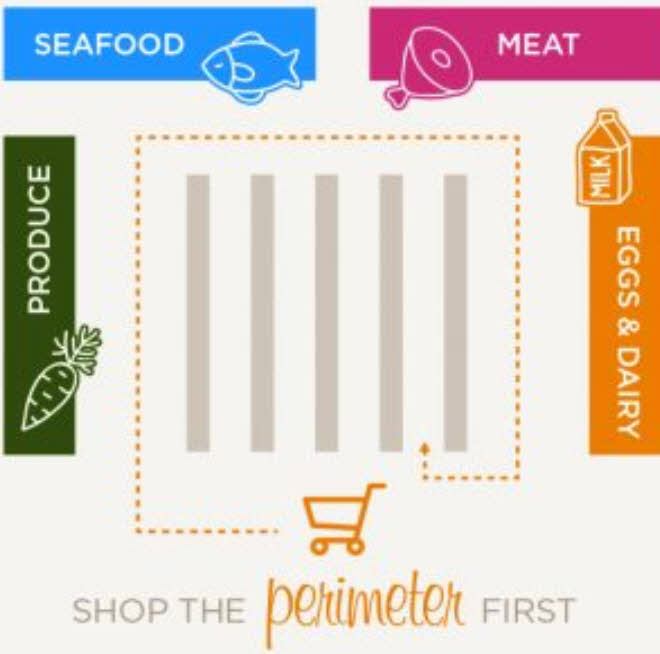
Shop mainly the perimeter of the store.
You’ve probably heard it before, but there’s a reason it’s advised that you shop the edge of the store and skip most of the middle aisles.
Fresh produce, meats, and dairy are nearly always around the store perimeter, while ultra-processed foods get stacked on the shelves in the middle of the store.
By limiting the aisles you shop you’ll resist temptation to purchase bad-for-you foods.
Read the ingredients list.
If there’s something on the ingredients list of a packaged food that you couldn’t buy to use in your own kitchen – or whose name you can’t even pronounce – it’s probably highly processed.
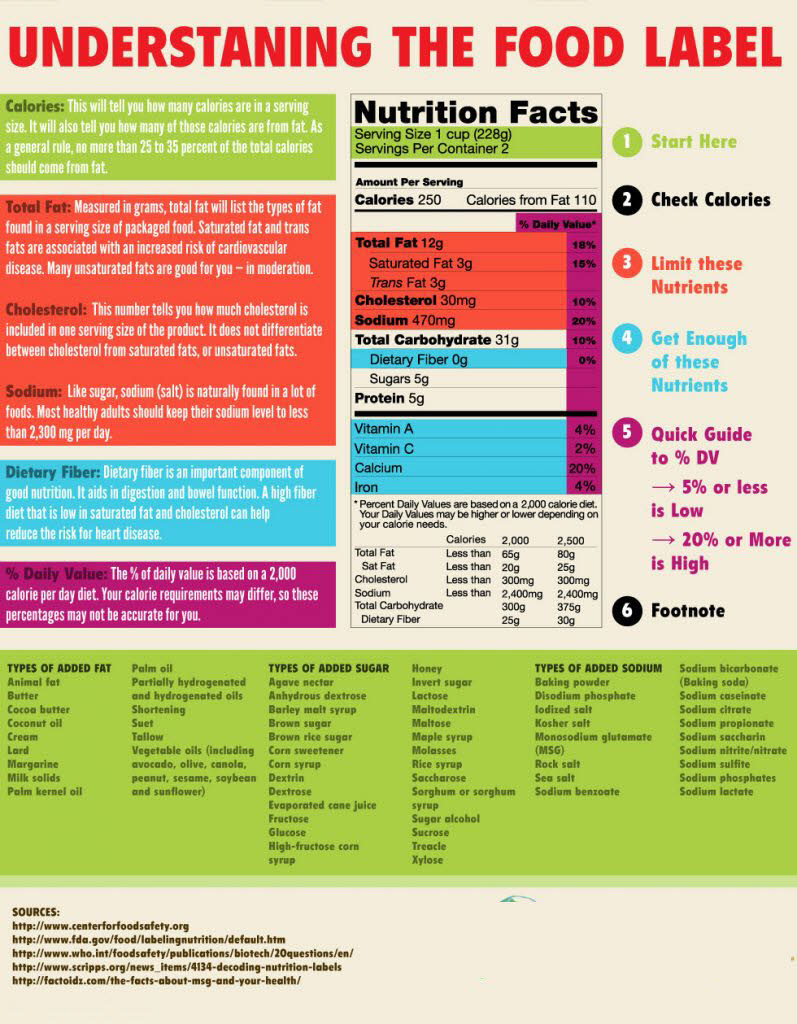
Don’t forget that ingredients are listed in the order of how prevalent in a food they are. Beware of what’s listed as one of the first five ingredients. Or, better yet, try and avoid foods that have more than five ingredients in them.
Again…Look out for added sugars.
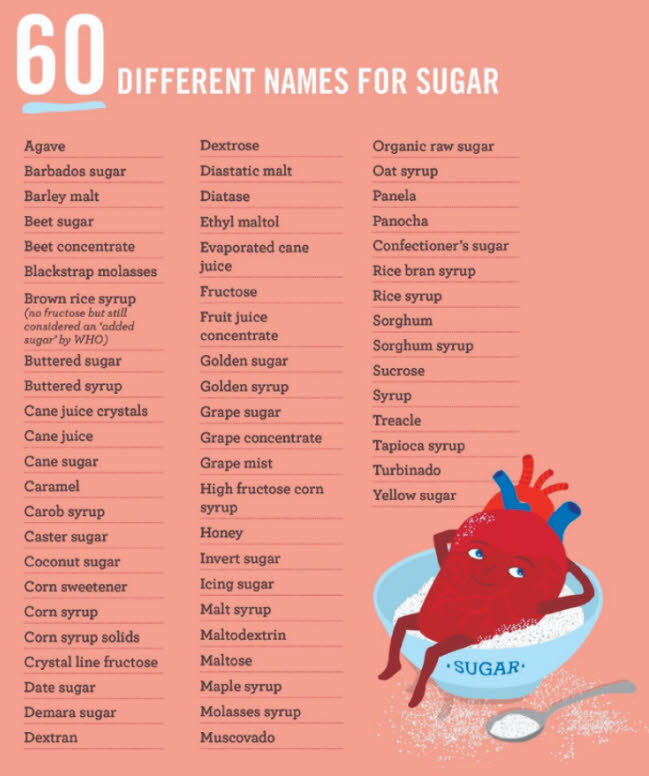
Food manufacturers have gotten cleverer about how sugars are listed by using different terms for the substance in the ingredients list. One rule of thumb is that ingredients ending with “ose” are sugars: think sucrose, fructose, and dextrose.
Another is to use fancy or “natural” sounding sugars – cane sugar, beet sugar, cane juice, fruit juice, and maple syrup are all still sugars.
Really Bad Ultra-Processed Foods You Should Stop Eating Right Away.
Chips:

Say no to those artificially colored, deep-fried potato chips with zero nutritional value. Instead, make your own chips.
You don’t have to stick to potatoes either. I’m a huge fan of spicy kale chips, zucchini chips, and even sweet baked apple chips.
Keep these on hand when you need a TV-time snack or to nibble on while getting dinner ready.
Frozen Pizza:

For a food that requires so little to make, frozen pizzas are loaded with preservatives, additives, and unrecognizable ingredients.
Instead of keeping a stash in the freezer, try premaking some easy dough recipes to keep in the freezer to pull out for a quick throw together dinner, or experiment with some easy to find recipes like coconut crust pizza or cauliflower pizza crust with your favorite toppings.
These are super tasty, come together quickly and you can customize them to your family’s tastes.
Sodas and juices:

Replace sugary sodas and store-bought juices with homemade drinks that taste great and are good for you, too.
Try an anti-inflammatory green juice to boost your body’s natural defenses, while orange carrot ginger juice is a crowd-pleaser amongst kids – the only difference they’ll notice is how much better this juice tastes.
Getting your family a water carbonation machine like a Soda Stream and adding your own flavoring allows you to enjoy fizzy water and control the sugar and additive content.
Pre-Packaged Cakes and Frosting:

Sweet treats don’t need to be eliminated entirely, but when there are alternatives that taste this good, there’s no need for ultra-processed versions.
You can find recipes for avocado chocolate frosting with a quick Google search that is fantastic atop homemade baked goods – maybe even on a piece of gluten-free chocolate quinoa cake!
Bottom Line
Ultra-processed foods’ ubiquity can be difficult to escape, but it can be done.
Once you learn about how detrimental these food-like products are to your health, it is an easy choice.
Eliminating those foods and replacing them with healthier alternatives is one of the best things you can do for your health.
Current Offers


Sale Details:
⚡Enjoy Super Savings On All Multi Packs and Custom Bundles!⚡
Last Day To Save --> April 17th, 2026
1. Save Up To 50% Off On Multi Packs.
2. Save Up To 60%+ Off Regular Prices With Custom Bundles.

Use Promo Code --> super15 To Unlock These Savings.
Take Advantage While You Can... Because, Why Pay More?
Shop Now


Product Reviews & Ratings Can Change Over Time. Not All Products Are Available in Canada At Present.

Product Reviews & Ratings Can Change Over Time
Shop USA Store

All Orders Ship From Our California Warehouse
Shop Canada Store

All Orders Ship From Our Toronto Warehouse

Custom Bundles

🆕 Create Your Own Custom Bundles!
🧺 You Pick The Items You Want In Any Combination You Desire!
💰 Enjoy HUGE Savings + Get Free Shipping.
🛍️ Select From Our 3, 4, 5 or 6 Unit Custom Bundles.
Please note: Some products not available in Canada at this time.
Custom Bundles

🆕 Create Your Own Custom Bundles!
🧺 You Pick The Items You Want In Any Combination You Desire!
💰 Enjoy HUGE Savings + Get Free Shipping!
🛍️ Select From Our 3, 4, 5 or 6 Unit Custom Bundles.
Please note: Some products not available in Canada at this time.
Shop Bundles USA


Shop Bundles Canada

