


Facts/Myths: Vitamin D Edition
Ashley Jordan Ferira, Ph.D., RDN is one of the nation’s leading nutritionists, and is also a Ph.D., as well as a renowned health blogger, and has been practicing for over 10 years.
She was recently asked what was the biggest myth in regards to vitamins.
She did not hesitate in her answer:
“Easily, most of the biggest myths I see have to do with vitamin D”
Why?
Vitamin D is one of the most misunderstood nutrients. It’s well-documented for its immune support – and has skyrocketed in popularity since covid hit.
As such, vitamin D finally got the recognition it deserves – but there is still a lot of lack of clarity on:
- How much vitamin D is needed daily.
- What its other benefits are.
- If you need vitamin D3 supplementation year-round.
According to Doctor Ferira:
“We’re all deficient in vitamin D”
In fact, some studies suggest that today over 92.% of Americans don’t even get 400 IU a day of vitamin D in their diet, or from direct sunlight, whereas many doctors and nutritionists feel we actually a minimum of 2,000 to 4,000 IU daily.
So you do the math, it’s actually a huge gap – and yet, most medical sources and media outlets focus on the antiquated recommended daily values (RDV’s) that were developed decades ago.
“That’s a huge myth that I’d like to bust,” Ferira notes. “Telling someone to meet their vitamin D requirement through food and a little sun, is like giving you a quart of paint to go repaint your entire house.”
Like Sulfur and Magnesium deficiency, lack of vitamin D may very well be costing people their own health and in some cases even their lives. That is how important these foundational nutrients are.
So let’s deep dive and understand why Vitamin D is such a critical nutrient, and why vitamin D deficiency is still rampant and is related to a large basket of common health issues.
What is Vitamin D?
Vitamin D3 is actually a very unique type of vitamin because it actually acts more like a steroid hormone than a dietary aid and is not readily available in most foods like other vitamins often are; because of this, it’s estimated that nearly 75 percent of people have some kind of deficiency.
Rather, vitamin D is sourced primarily from the sun, which is why it’s often referred to as the “sunshine vitamin.” When the skin absorbs sunlight, it synthesizes the UVB rays into vitamin D.
Vitamin D can have an impact on as many as 2,000 different genes within the body and has a direct role in far more aspects of health than many might realize.
Vitamin D receptors are found in nearly every cell, and as soon as D binds to a receptor, it turns genes on or off, prompting changes at the cellular level.
Studies completed over the last two decades have proven that this process turns off cancer-causing genes, turns on immuno-protective genes, and even tells cells which vitamins and minerals to absorb.
A Quick Look At Its Benefits:

Bone health
Strong bones are a result of good vitamin D3 intake because the D3 helps regulate and control the body’s ability to absorb phosphorus and calcium—two compounds that provide density and strength to the skeletal system and teeth.
Insulin control
Vitamin D3 stimulates the pancreas and triggers the process of making insulin. This is key for managing blood sugar levels more effectively and can help diabetics better control the disease.
Lowers blood pressure
A study from Boston University found that those with high blood pressure experienced a drop in numbers when vitamin D levels were increased. D3 actively reduces the concentration of renin, an enzyme secreted by the kidney that has an effect on blood vessels.
Possible cancer prevention
Some evidence supports the idea that increased vitamin D can help slow the progression of tumors and various cancers in the body.
Heart health
Heart function can also be impacted by the presence of vitamin D. Studies show that low levels of vitamin D can be correlated to an increased likelihood of a heart attack.
Mood
One of the most significant benefits to vitamin D3 though is its impact on mood. Many people suffer from seasonal affective disorder and generally feel happier when the sun is shining because of the synthesis of the vitamin that happens with direct exposure to UVB rays.

The History of Vitamin D

Vitamin D was discovered in 1920, culminating the long search for a way to cure rickets, a painful childhood bone disease. Within a decade, the fortification of foods with vitamin D was underway, and rickets became rare in the United States. However, solving the problem of rickets was only the beginning of research into vitamin D.
Current research suggests that vitamin D may play a key role in many other aspects of human health.
Vitamin D is one of the 13 vitamins discovered in the early 20th century by doctors studying nutritional deficiency diseases.
Since then, scientists have defined vitamins as organic (carbon-containing) chemicals that must be obtained from dietary sources because they are not produced by the body’s tissues.
Vitamins play a crucial role in our body’s metabolism, but only tiny amounts are needed to fill that role.
When it comes to this role, Vitamin D is quite unique.
Why Vitamin D is Different From Other Vitamins
Vitamin D is not one chemical but many. The natural type is produced in the skin from a universally present form of cholesterol, 7-dehydrocholesterol.
Sunlight is the key: Its ultraviolet B (UVB) energy converts the precursor to vitamin D3.
In contrast, most dietary supplements are manufactured by exposing a plant sterol to ultraviolet energy, thus producing vitamin D2.
Because their function is almost identical, D2 and D3 are lumped together under the name vitamin D — but neither will function until the body works its magic.
Although vitamin D is firmly enshrined as one of the four fat-soluble vitamins, it is not technically a vitamin.
True, it’s essential for health, and only minuscule amounts are required.
But it breaks the other rules for vitamins because it’s produced in the human body, it’s absent from all natural foods except fish and egg yolks, and even when it’s obtained from foods, it must be transformed by the body before it can do any good.
As our habits change, most of us cannot rely on our bodies to produce vitamin D the old-fashioned way.
Instead, we increasingly depend on artificially fortified foods and pills to provide this vital nutrient.

How Your Body Makes Vitamin D
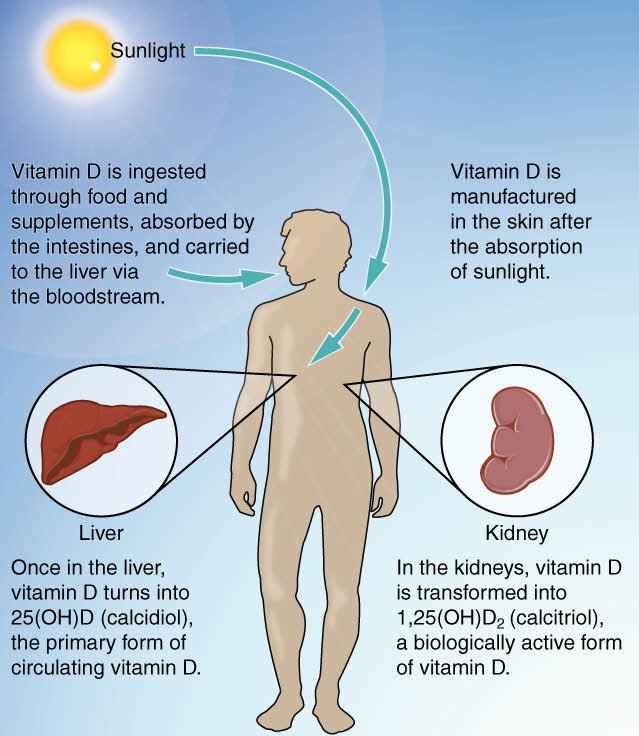
In short – the sun’s energy turns a chemical in your skin into vitamin D3, which is carried to your liver and then your kidneys to transform it into active vitamin D.
The first stop is in the liver, where vitamin D picks up extra oxygen and hydrogen molecules to become 25-hydroxyvitamin D or 25(OH)D.
This is the chemical that doctors usually measure to diagnose vitamin D deficiencies. However, although 25(OH)D is used for diagnosis, it can’t function until it travels to the kidney.
There it acquires a final pair of oxygen and hydrogen molecules to become 1,25 dihydroxyvitamin D; scientists know this active form of the vitamin as 1,25(OH)2D, or calcitriol, but for ordinary folks, the name vitamin D is accurate enough.
Are you “D”-ficient?
Vitamin D deficiencies were rare when most men rolled up their sleeves to work in sunny fields. But as work shifted from farms to offices, that changed.
Because pigmentation can reduce vitamin D production in the skin by over 90%, non-white populations are at particular risk.
Deficiencies are also common in patients with intestinal disorders that limit the absorption of fat and those with kidney or liver diseases that reduce the conversion of vitamin D to its active form, calcitriol (1,25(OH)2D).
In addition, certain medications reduce the availability or activity of vitamin D. And even in healthy people, advancing age is linked to an increased risk of vitamin D deficiency.
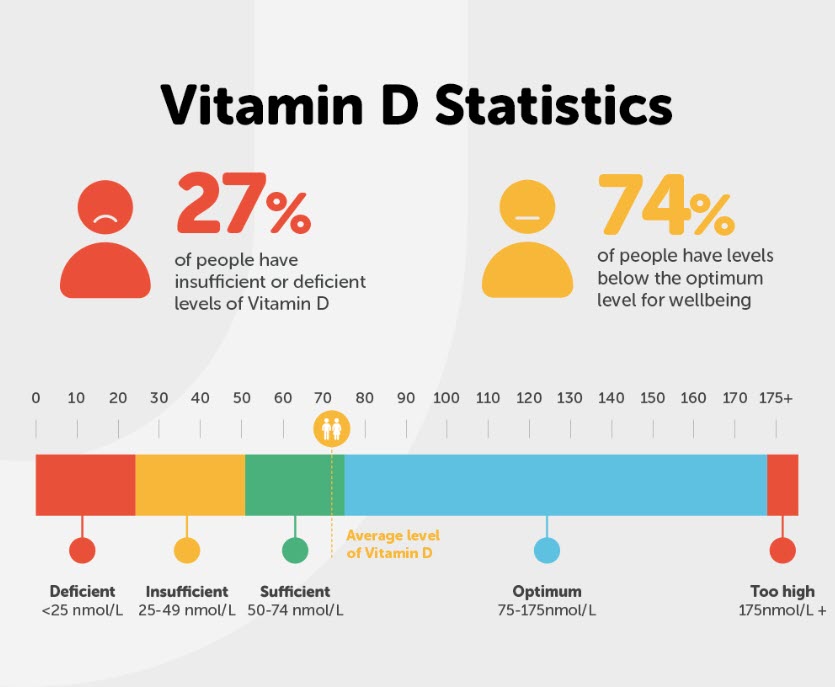
Although standards vary, most experts agree that levels below 30 ng/ml (nanograms per milliliter) reflect clear-cut vitamin D inadequacy, while levels between 30 and 50 ng/ml are borderline.
Current statistics show that the blood serum level of the average North American adult is between 30-40 ng/ml with up to 27% of the population being below 30 ng/ml.
The majority of these individuals have no idea they are even at risk. This is a major problem.
Common Symptoms of Vitamin D Deficiencies
Vitamin D deficiency can happen when a person:
- does not consume enough vitamin D
- is unable to absorb or metabolize vitamin D
- does not spend enough time in ultraviolet B (UVB) sunlight
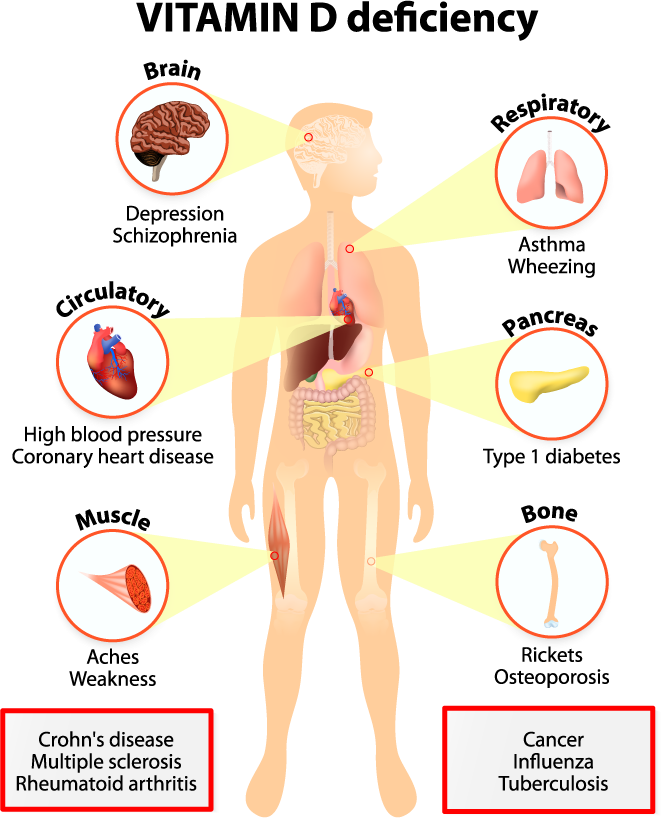
Vitamin D deficiency symptoms may take several years to appear. The most common of these are:
- Frequent Illness
- Fatigue
- Bone or Back Pain
- Respiratory Issues
- Depression
- Impaired Wound Healing
- Bone Loss
- Hair Loss
- Auto Immune Issues
Common Risk Factors For Deficiency
A number of factors can play a role. Limited exposure to sunlight heads the list.
Except during the short summer months, people who live at latitudes above 37 degrees north or below 37 degrees south of the equator don’t get enough UVB energy from the sun to make all the vitamin D they need.
Some of the other common risk factors for vitamin D deficiency are:
- Having dark skin.
- Being elderly.
- Being overweight or obese.
- Not eating much fish or dairy.
- Staying indoors.

Can You Take Too Much?
The answer is ‘yes’
Because Vitamin D is a fat-soluble compound that we can store for future use, it is also possible to build up too much.
For some, toxicity can start at around 100 ng/ml, but for most people, the toxicity lies around 500 ng/ml.
Upper Limits of Suggested V-D Intake By Age From Various Organizations
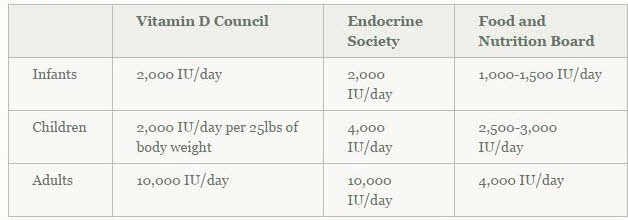
It takes A LOT to build up an excess of 500 ng/ml.
For example, to increase blood serum levels from 20 ng/ml to 40 ng/ml, one would require approx. 2600 IU of Vitamin D3 per day.
It is thought that you would need to be taking upwards of 100,000 IUs per day for a month or more to cause toxicity in humans, but that can be as low as 30,000 iu’s depending on the person.

What Vitamin D Does In The Body
As a key player in overall health, just how does Vitamin D keep the body moving and grooving?
Let’s take a closer look at the top roles of this invaluable compound.
Vitamin D and Bone Health
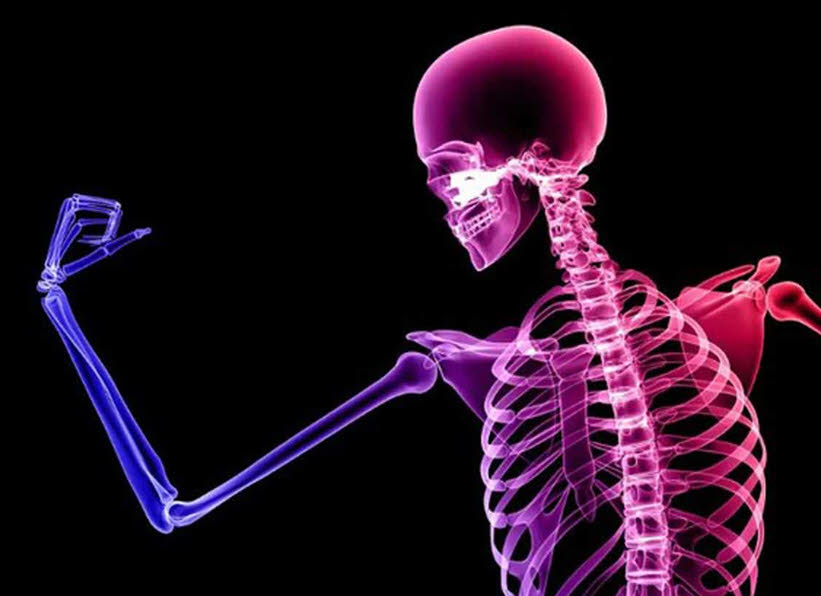
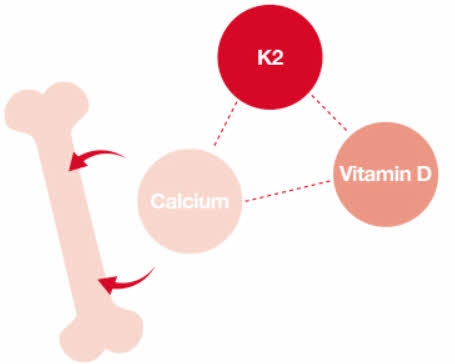
Vitamin D’s best-known role is to keep bones healthy by increasing the intestinal absorption of calcium. Without enough vitamin D, the body can only absorb 10% to 15% of dietary calcium, but 30% to 40% absorption is the rule when vitamin reserves are normal.
A lack of vitamin D in children causes rickets; in adults, it causes osteomalacia. Both bone diseases are now rare in the United States, but another is on the rise — osteoporosis, the “thin bone” disease that leads to fractures and spinal deformities.
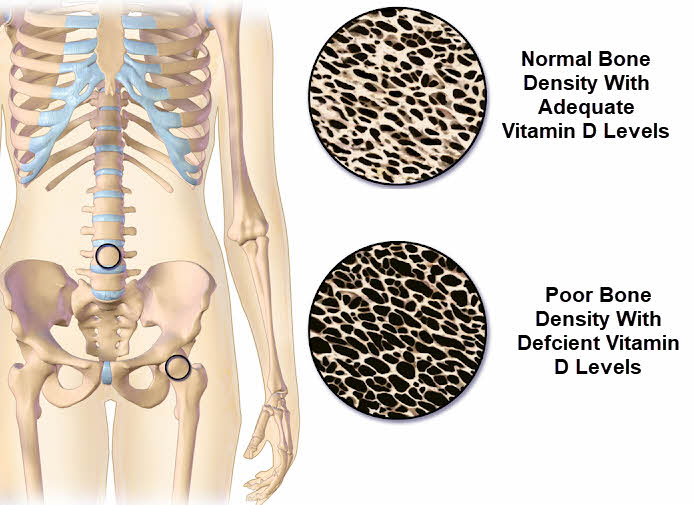
Low levels of vitamin D lead to low bone calcium stores, increasing the risk of fractures. If vitamin D did nothing more than protect bones, it would still be essential.
However, researchers have begun to accumulate evidence that it may do much more. In fact, many of the body’s tissues contain vitamin D receptors, proteins that bind to vitamin D.
In the intestines, the receptors capture vitamin D, enabling efficient calcium absorption.
But similar receptors are also present in many other organs, from the prostate to the heart, blood vessels, muscles, and endocrine glands. And work in progress suggests that good things happen when vitamin D binds to these receptors.
The main requirement is to have enough vitamin D, but many Americans don’t.
Osteoporosis and Fractures
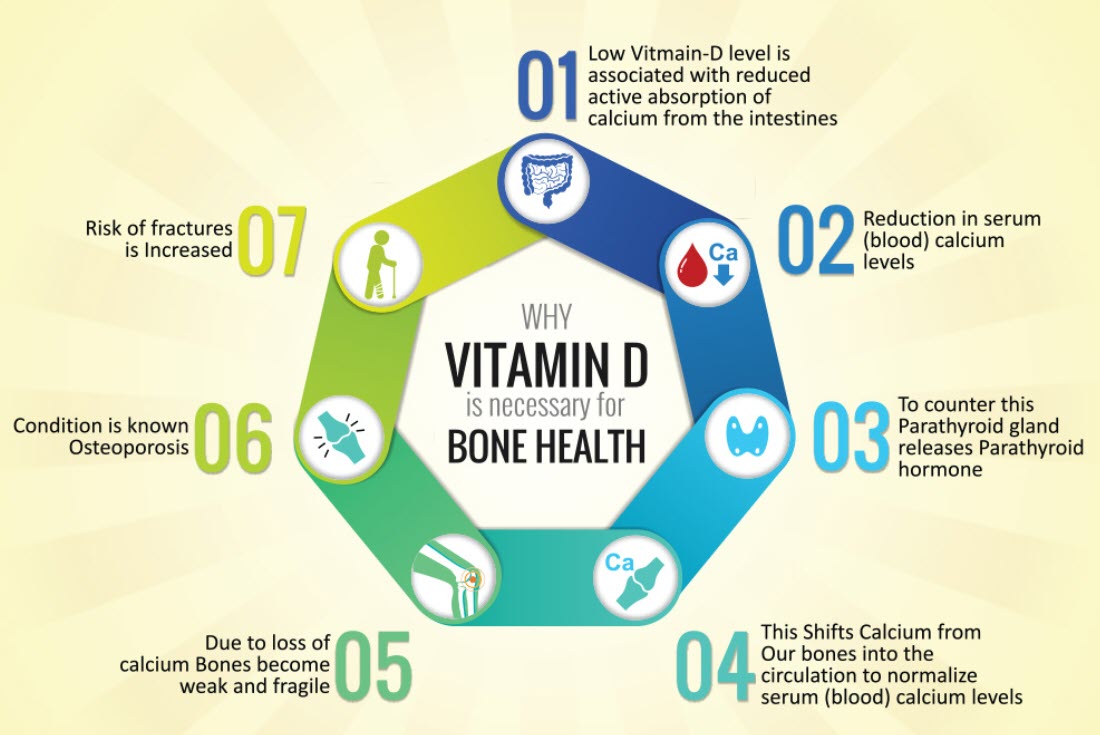
Without enough vitamin D, the intestines cannot efficiently absorb calcium. But because blood calcium is critical for neuro-muscular and cardiac function, the body does not allow levels to fall.
Instead, it pours out parathyroid hormone, which mobilizes calcium from bone. Blood calcium levels remain normal, so your heart and nerves keep working nicely. But your bones bear the brunt: As bone calcium density falls, bones become weak and fracture-prone.
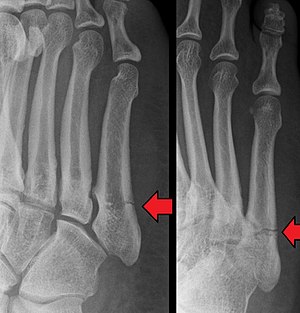
Most studies show that a lack of vitamin D increases the risk of osteoporosis and the likelihood of hip and other non spinal fractures.
Immune Boosting Benefits
Vitamin D helps our immune systems stay balanced during the cold and flu season, and serves as a pharmacy resource.
There are Vitamin D receptors and activating enzymes on the surfaces of all White Blood Cells. The role that vitamin D plays in keeping the immune system healthy is very complex because the immune system has to be perfectly balanced.
If there is too much stimulation, autoimmune diseases can set in. If there is not enough immune system activity, frequent infections can occur.
Low levels of vitamin D have been linked with both extremes, and low levels of vitamin D have been associated with worsening autoimmune diseases.
Low levels of vitamin D are not the underlying cause of autoimmune disease, but low levels of vitamin D can make autoimmune disease states worse.
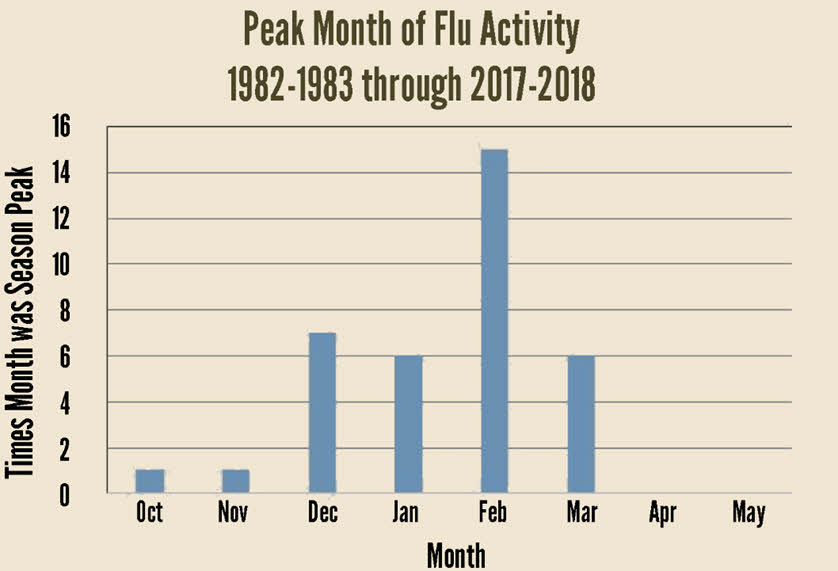
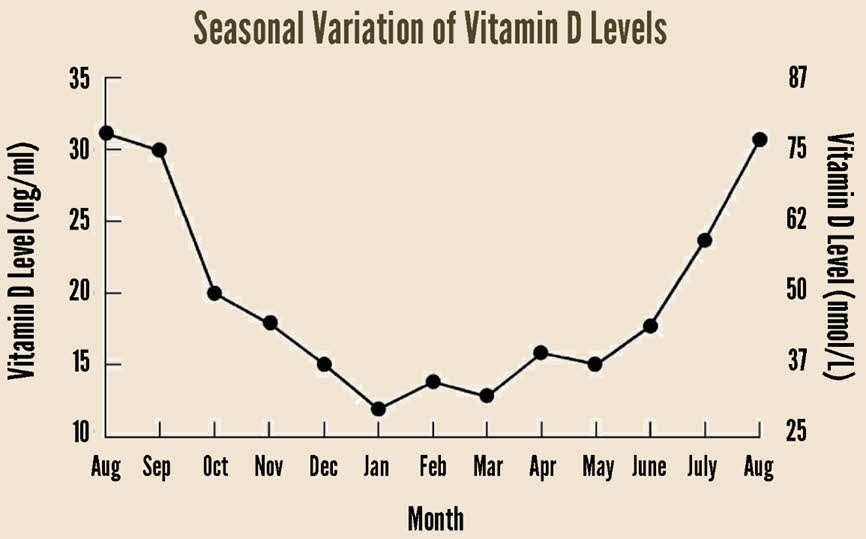
Low levels of vitamin D have also been associated with frequent infections. In 2009, the National Institute of Health warned that low vitamin D levels are associated with frequent colds and influenza.
You can see below how seasonal vitamin D levels work in sync with peak cold and flu activity.
Can it Help with Cancer Prevention?
The risk of colon cancer, breast cancer, and other malignancies appears to rise in populations at latitudes far from the equator. Sun exposure and vitamin D levels may be part of the explanation.
A four-year, population-based, double-blind, randomized, placebo-controlled trial (RCT) was conducted with 1,179 healthy, postmenopausal women, aged 55 or older, from communities in a 9-county area of rural Nebraska (near Creighton University).
The population was predominantly white, lived around 41 degrees latitude, and had an average vitamin D level of 29 ng/ml (72 nmol/L) which is higher than the US population average at the time of 24 ng/ml (60 nmol/L).
The treatment group took supplements of 1,100 IU vitamin D and 1,400-1,500 mg calcium daily. There was a second group that received calcium supplements and a placebo for vitamin D and a third group that received only a placebo – no active supplements at all.
Studying the data from years 2-4 they found the vitamin D and calcium group had a 77% reduced risk of breast cancer compared to the full placebo group.
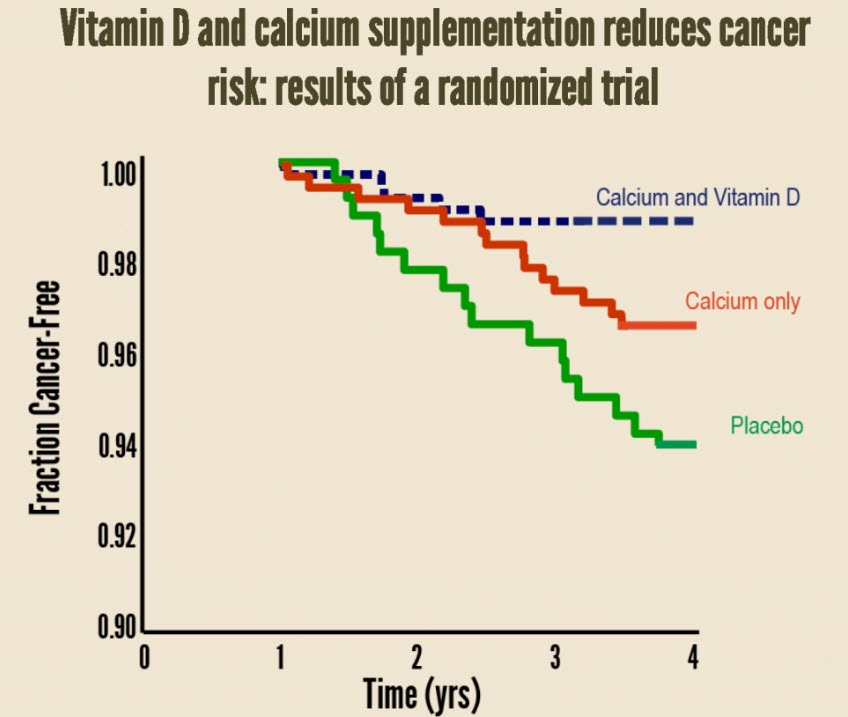
It is these types of charts that move vitamin D scientists to recommend testing and maintaining a blood serum level in the range of 40-60ng/ml.
Beating The Winter Blues With Vitamin D
SAD is real
Seasonal affective disorder (SAD) is a form of depression that occurs at the same time each year, usually in winter.
Otherwise known as seasonal depression, SAD can affect your mood, sleep, appetite, and energy levels, taking a toll on all aspects of your life from your relationships and social life to work, school, and your sense of self-worth.
You may feel like a completely different person from who you are in the summer: hopeless, sad, tense, or stressed, with no interest in friends or activities you normally love.

While a less common form of the disorder causes depression during the summer months, SAD usually begins in fall or winter when the days become shorter and remains until the brighter days of spring or early summer.

Signs You May Be Affected:
- Feeling depressed most of the day, nearly every day
- Losing interest in activities you once enjoyed
- Having low energy
- Having problems with sleeping
- Experiencing changes in your appetite or weight
- Feeling sluggish or agitated
- Having difficulty concentrating
- Feeling hopeless, worthless, or guilty
- Having frequent thoughts of death or suicide
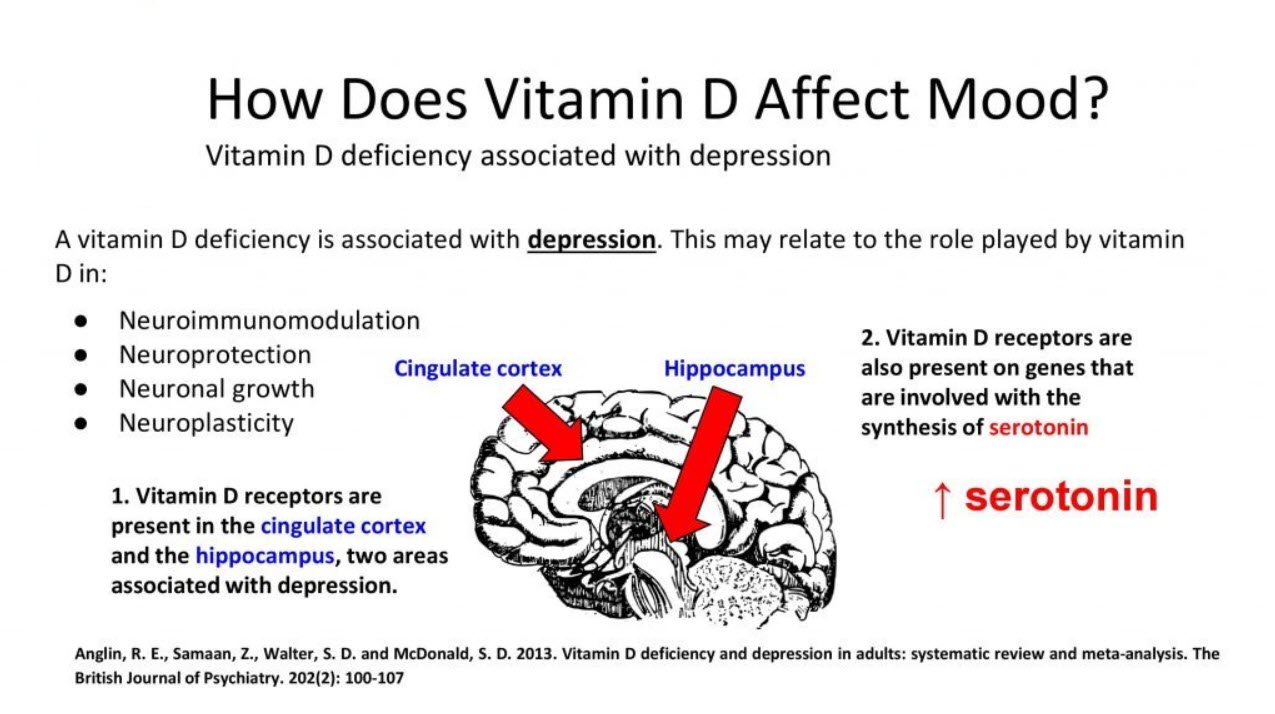
The cause is unclear but one thing that seems to be majorly connected to Seasonal Affective Disorder is a lack of sunshine. The great news is science is now beginning to better understand the strong ties between Vitamin D and mental health!
“D” Right Amount
Until 1997, the recommended dietary allowance (RDA) for vitamin D was 200 IU for all adults. Faced with growing evidence of vitamin D deficiencies in Americans, the RDA for 51 to 70 year old’s was increased to 400 IU, and to 600 IU for people older than 70.
New research now suggests, and many authorities are recommending at least 1000 IU – 4000 IU a day.
As research progresses into just how important Vitamin D is in the body, the daily recommendation also increases, but it really depends on your baseline serum levels.
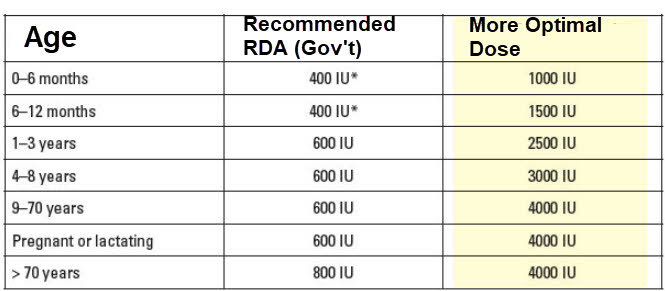
There is also the option of short-term high mega dosing for those who are severely deficient and want to quickly increase blood serum levels. These options can be discussed with your healthcare provider.
The Best Ways to Get Your D
You can make your vitamin D the old-fashioned way, by exposing your skin to UVB radiation in sunlight.
It doesn’t take much, but people living north of the 37-degree-latitude line — roughly the imaginary line between Philadelphia and San Francisco — can’t get enough UVB in winter to do the trick, so supplementing during the winter months is recommended.
It is thought that just 20 minutes of direct exposure in Summer converts to the equivalent of up to 4000 IUs of vitamin D! Enjoying different outdoor activities is a great way to get your daily dose!
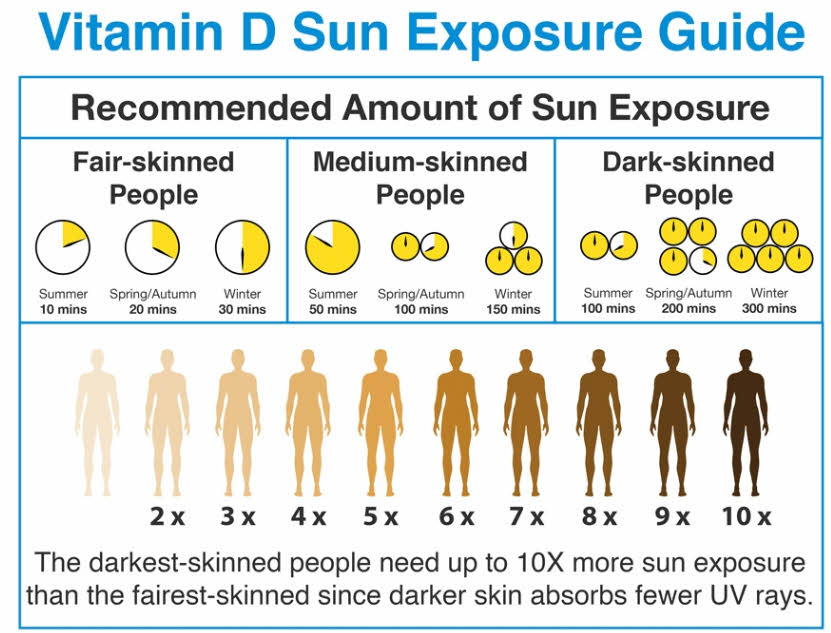
Healthy sun exposure is vital.
Taking advantage of early morning or late afternoon sun (between 8 am and 10 am, and 5 pm and 7 pm during the summer months) is the best way to avoid the harshest rays of the day, and limiting direct sun exposure to no more than 20 minutes.
If you expect to be exposed to the direct sun for longer than 20 minutes, ensuring light clothing and protective gear like a sun hat will help limit the negative effects of sun damage, and you will still be able to benefit from its positive effects!
D for Diet

Diet can help, but it’s very hard to approach the new goals with food alone.
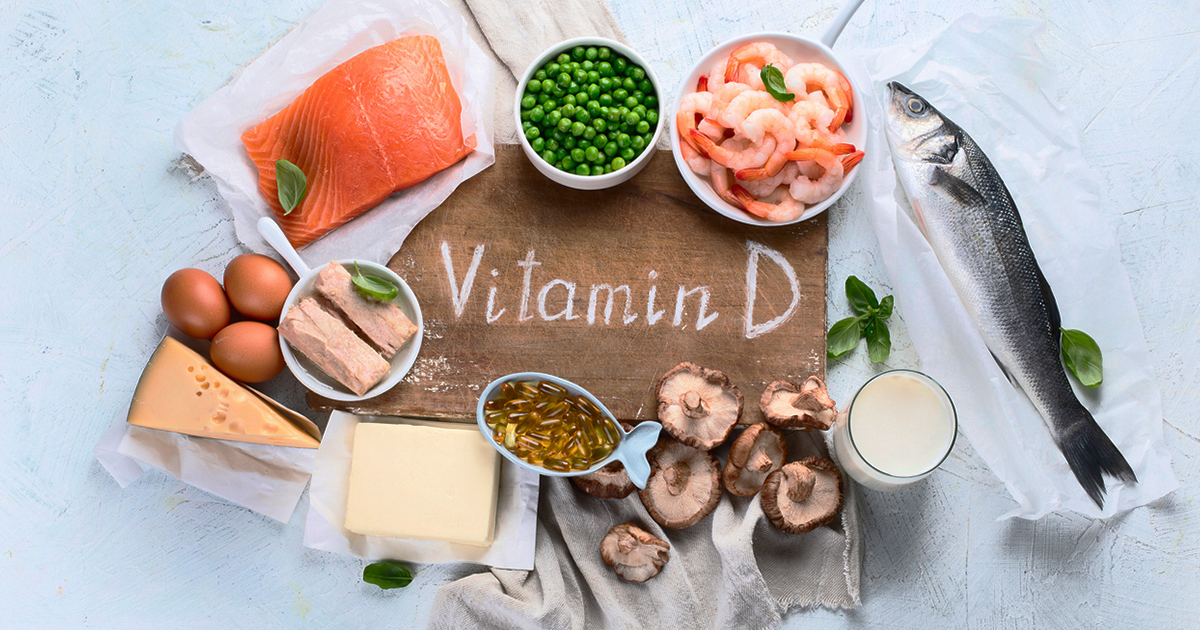
Fish and shellfish provide natural vitamin D (oily fish are best), but you’ll have to eat about 5 ounces of salmon, 7 ounces of halibut, 30 ounces of cod, or nearly two 8-ounce cans of tuna to get just 400 IU, and then we begin to run into all of the issues eating fish poses such as heavy metal exposures.
An egg yolk will provide about 40 IU. Other foods have even less D, which is why manufacturers fortify milk, some yogurt, some orange juice, and many cereals with vitamin D.
In general, a serving will provide about 100 IU; that means drinking a quart of fortified milk to get 400 IU.

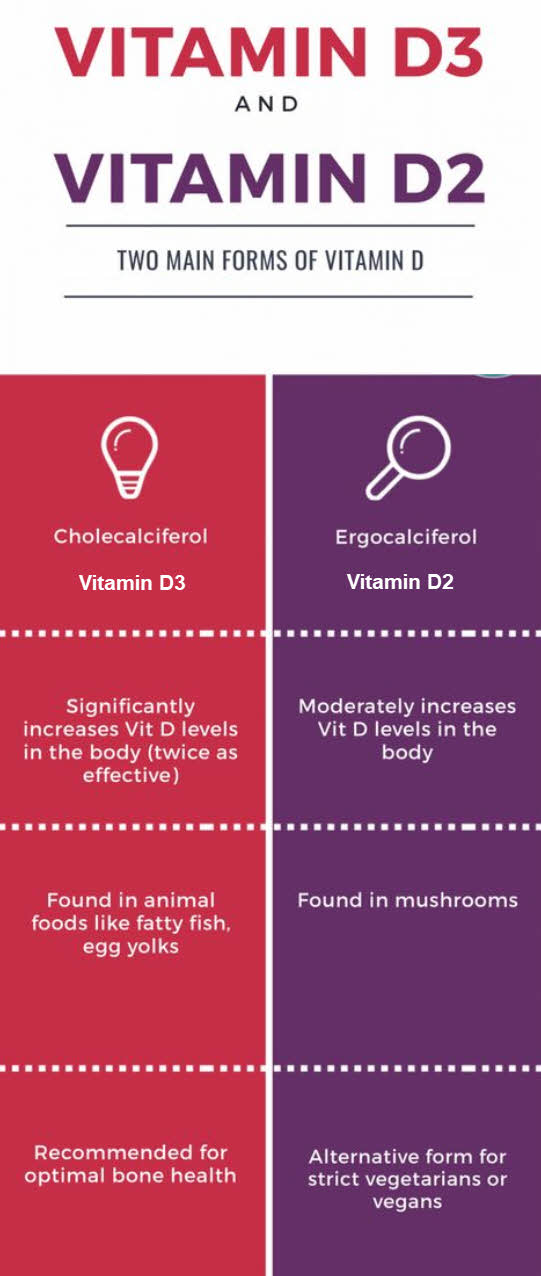
Vitamin D2 or Vitamin D3: What’s The Difference?
Vitamin D comes in two main forms:
- Vitamin D2 (ergocalciferol)
- Vitamin D3 (cholecalciferol)
The two forms of vitamin D differ depending on their food sources.
Vitamin D3 is only found in animal-sourced foods, whereas D2 mainly comes from plant sources and fortified foods.
Sources of Vitamin D3:
- Oily fish and fish oil
- Liver
- Egg yolk
- Butter
- Dietary supplements
Sources of Vitamin D2:
- Mushrooms (grown in UV light)
- Fortified foods
- Dietary supplements
Since vitamin D2 is cheaper to produce, it’s the most common form in fortified foods.
Your body produces vitamin D3 when your skin is exposed to sunlight.

Unlike dietary vitamin D, you cannot overdose on vitamin D3 produced in your skin. If your body already has enough, your skin simply produces less.
Nevertheless, be careful not to spend too much time in the sun without sunscreen. This is especially important if you have light-colored skin. Sunburns are a major risk factor for skin cancer.
Choosing the Right Supplement
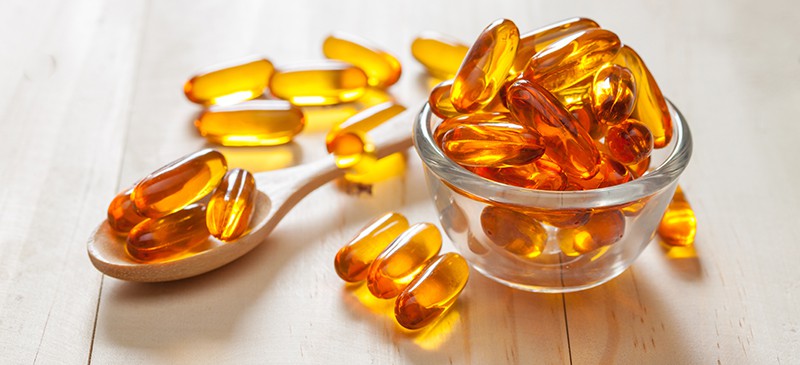
Vitamin D2 and D3 are not equal when it comes to raising your vitamin D levels.
Both are effectively absorbed into the bloodstream. However, the liver metabolizes them differently.
Vitamin D2 seems to yield less calcifediol than an equal amount of vitamin D3 and most studies show that vitamin D3 is more effective than vitamin D2 at raising blood levels of calcifediol.
For example, one study in 32 older women found that a single dose of vitamin D3 was nearly twice as effective as vitamin D2 at raising calcifediol levels.
If you are taking a vitamin D supplement, consider choosing vitamin D3.
D2/D3 Supplement Suggestions
With so many options on the market, it can be tough to decide which is the best supplement to take. We have done some research into which ones are the cleanest and most bioavailable sources, backed by companies dedicated to quality products.
These are our top 2 choices which can be found on Amazon.com and Amazon.ca :
Best Overall:
Thorne Vitamin D3/K2 Liquid

Thorne Vitamin D3/K2 Liquid wins our vote because it’s one of the few vitamin D supplements that also provides vitamin K2, which works together with vitamin D and is necessary for heart and bone health.
This supplement also offers a convenient way to take your dose of vitamin D, especially if you dislike taking capsules or have difficulty swallowing. These drops can be mixed into any food or beverage.
Thorne, like Happy Body, is a quality-first brand, so you know your money is being spent on superior product.
Best Liposomal D
Designs for Health Liposomal D Supreme Liquid

Designs for Health Liposomal D Supreme stands out for its superior absorption. Like any supplement absorption is the key! It’s why we insist on only pure additive-free MSM.
It’s the same with Vitamin D.
It’s formulated with liposomes, which are tiny spheres of fat used as carriers for vitamin D and other fat-soluble nutrients in supplements. Liposomal forms of supplemental vitamin D have been shown to be better absorbed than tablet forms.
This product also combines vitamin D from lanolin with vitamins K1 and K2. Vitamins K and D work synergistically in your body, meaning that they enhance each other’s effects.
Best D2 Supplement
Real Mushrooms D2

Vitamin D2 is a bit harder for your body to absorb, and does not raise your blood serum levels as much as D3, but it is still important to have both. D2 mainly comes from plant sources and fortified food, with the highest natural form being found in mushrooms.
If you aren’t a fan of eating mushrooms, a great way to reap the benefits is with a supplement! Real Mushrooms D2 is certified organic, vegan, and gluten-free, and has no fillers or preservatives.
Another great bonus with a mushroom supplement is all of the other amazing health benefits provided by medicinal mushrooms!!
What’s All This About Vitamin K?

Vitamin K is found in leafy greens, fermented legumes, and vegetables, as well as in some fatty, animal-sourced foods, such as egg yolk, liver, and cheese.
It’s necessary for blood clotting and promotes the accumulation of calcium in your bones and teeth.
When it comes to calcium metabolism, vitamins D and K work together. Both play important roles.
Vitamin D does not fully control where the calcium in your body ends up. That’s where vitamin K steps in.
Vitamin K regulates calcium in your body in at least two ways:
- Promotes calcification of bone: Vitamin K activates osteocalcin, a protein that promotes the accumulation of calcium in your bones and teeth.
- Reduces calcification of soft tissues: Vitamin K activates matrix GLA protein, which prevents calcium from accumulating in soft tissues, such as the kidneys and blood vessels.
It is also thought that Vitamin K helps to reduce the potential for your body to accumulate too much Vitamin D, helping to maintain a proper balance.

Vitamin K1 and K2
Vitamin K comes in many different forms, traditionally divided into two groups:
- Vitamin K1 (phylloquinone): The most common form of vitamin K. It’s found in plants, notably leafy greens like kale and spinach.
- Vitamin K2 (menaquinone): This form is much rarer in food and mainly found in animal-sourced food and fermented foods like natto.


Vitamin K2 is absorbed better by the body and some forms stay in the blood longer than vitamin K1 making it a better choice for complimenting Vitamin D.
This is tricky for vegans as the majority of K2 is derived from animal sources, but new options are becoming available on the market.
The bigger issue with Vitamin K versions is that the supplement formats use of carrier oils, as many oils used by the supplement industry can be very low quality and also become rancid very quickly.
Want Optimal Absorption of Your Vitamins?
The Best Carrier of Vitamin D is MSM!
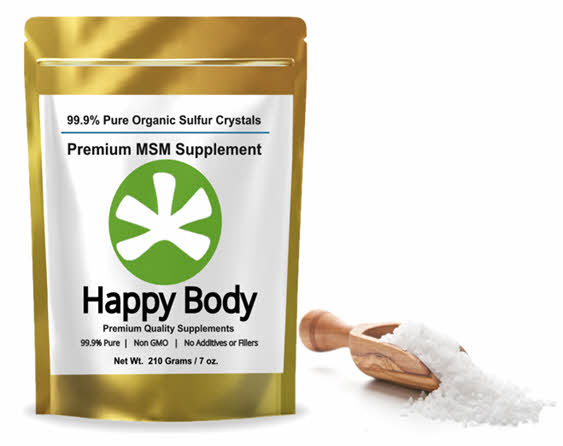
Over the past 20 years, more combination joint support supplements have been marketed combining MSM (Organic Sulfur) with Vitamin D and Glucosamine.
This combination was specifically designed by scientists due to MSM and vitamin D’s impacts on bone health and MSM’s impact on pain & inflammation relief.
But MSM also has another benefit – it helps the body with vitamin D absorption.
In studies MSM has been shown to increase the absorption of Vitamin D in 2 key ways:
1. MSM optimizes the function of the mucosal lining in the digestive tract, increasing the overall processing time the body has to absorb vitamin D – and other nutrients/vitamins.
2. MSM has a very unique action on cell membrane function and increases the uptake rates of vitamin D (and all other nutrients and vitamins) into cells.
Absorption Rates With MSM Vs. Without
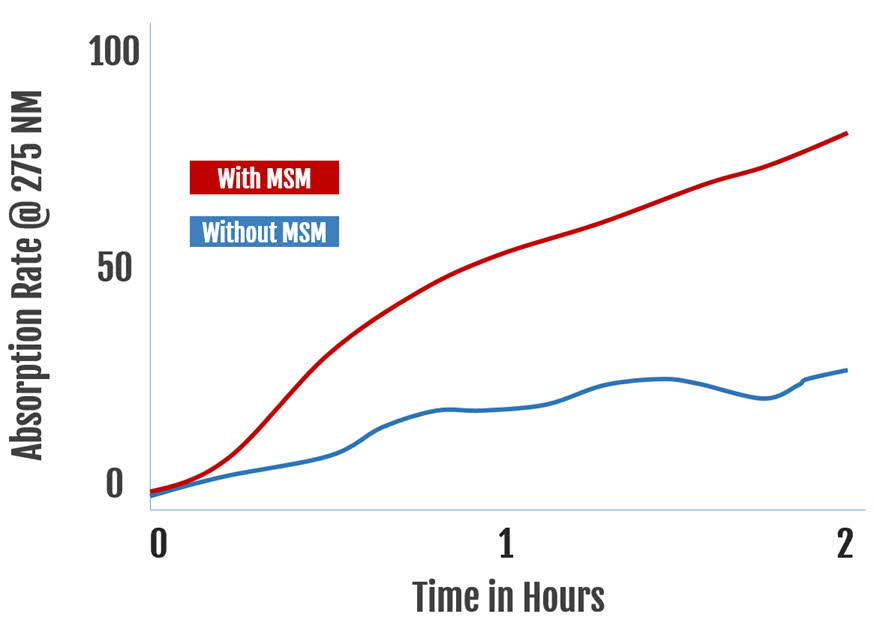
Sources: 1. Min Zhang, Ira G. Wong, Jerry B. Gin & Naseem H. Ansari (2009) Assessment of (MSM) methylsulfonylmethane as a permeability enhancer. 16:5, 243-248, DOI: 10.1080/10717540902896362 2. Wong, Thomas et al. “Small Intestinal Absorption of Methylsulfonylmethane (MSM) and Accumulation of the Sulfur Moiety in Selected Tissues” Nutrients vol. 10,1 19. 25 Dec. 2017, doi:10.3390/nu10010019
The Bottom Line:
Vitamin D has many potential benefits. It may reduce the risk of certain diseases, help improve mood, reduce depression symptoms, and help with weight management.
The benefits of ensuring adequate vitamin D levels in the body are clear, but the first step is knowing your baseline levels. Getting your levels tested with a simple blood test will help you understand what your needs are in order to decide what options are best for you!
Sources & References
- Bischoff-Ferrari, H. A., et al. (2009). Fall prevention with supplemental and active forms of vitamin D: a meta-analysis of randomised controlled trials. BMJ, 339.
- Munger, K. L., Levin, L. I., Hollis, B. W., Howard, N. S., & Ascherio, A. (2006). Serum 25-hydroxyvitamin D levels and risk of multiple sclerosis. JAMA, 296(23), 2832-2838.
- Wang, T. J., et al. (2008). Vitamin D deficiency and risk of cardiovascular disease. Circulation, 117(4), 503-511.
- Holick, M. F. (2007). Vitamin D deficiency. New England Journal of Medicine, 357(3), 266-281.
- Martineau, A. R., et al. (2017). Vitamin D supplementation to prevent acute respiratory tract infections: systematic review and meta-analysis of individual participant data. BMJ, 356.
- Autier, P., & Boniol, M. (2014). Vitamin D supplementation and total mortality: a meta-analysis of randomized controlled trials. Archives of Internal Medicine, 173(18), 1735-1742.
- Garland, C. F., et al. (2006). The role of vitamin D in cancer prevention. American Journal of Public Health, 96(2), 252-261.
- DeLuca, H. F. (2004). Overview of general physiologic features and functions of vitamin D. The American Journal of Clinical Nutrition, 80(6 Suppl), 1689S-1696S.
- Pittas, A. G., et al. (2007). Vitamin D and calcium intake in relation to type 2 diabetes in women. Diabetes Care, 30(3), 650-656.
- Lappe, J. M., et al. (2007). Vitamin D and calcium supplementation reduces cancer risk: results of a randomized trial. The American Journal of Clinical Nutrition, 85(6), 1586-1591.


Sale Details:
⚡ Ending in 72 Hours⚡
Get Up To 45% off on Multi Packs OR Save An Extra 10% Off Any of Our Already Discounted Bundles!
Just Apply Promo Code: 👉 well10👈 at Checkout 🛒
Shop Now

Shop USA Store

All Orders Ship From Our California Warehouse
Shop Canada Store

All Orders Ship From Our Toronto Warehouse
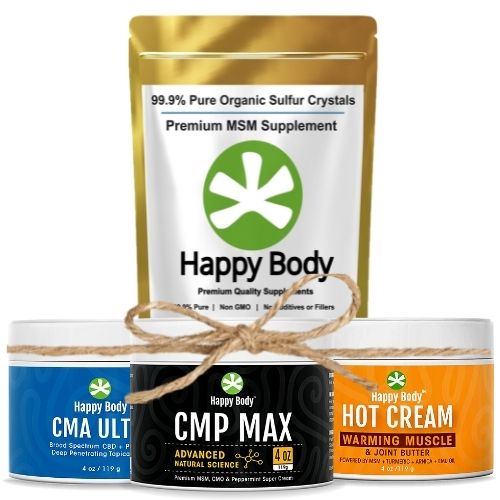
Happy Body Bundles
Try Different Product Bundles & Save Up To 53% With Free Shipping!

*Note some products are not available in Canada at this time
Shop Bundles USA
Shop Bundles Canada
Disclaimer: Information presented on this site is of a general nature used for educational and information purposes only. Statements or opinions about products and health conditions have not been evaluated by the US Food and Drug Administration or Health Canada. Products and information stated herein are not intended to diagnose, treat, cure, or prevent any disease or condition. If you have any concerns about your own health or are wanting to use a new mineral supplement, vitamin or herbal supplement, you should always consult with your physician or other healthcare professional first. Do not use information on this site or on our social media pages as a replacement for validated medical information / opinion, or as a basis for self-diagnosis. This is the same for your pet; always consult with your veterinarian before starting your pet on any new pet supplement or vitamin first.
Pricing: For our website and catalog, the Regular (Reg) Price is also referred to as the MSRP is the “Manufacturer’s Suggested Retail Price.” The MSRP is understood to mean the price at which a manufacturer will recommend a retailer or reseller to sell a product for in stores, on the internet, or in catalogs. For Happy Body Store/Happy Body/HappyBody branded items, the MSRP is calculated based on a varying percentage above the product’s completed production price & associated administration, marketing & logistics. Prices can change at any time for any reason. Pricing & sales offers can change at any time without notice, and at our sole discretion.