

The Unsettling Reality of Deodorants and Antiperspirants

Did you know that the first commercial deodorant, called “Mum,” was invented in 1888, and the first antiperspirant, “Everdry,” hit the market in 1903?

These pioneers paved the way for the multibillion-dollar deodorant industry we know today, and you guessed it… It’s yet another industry that prioritizes profit over your health and wellness.
- Today, the global deodorant market size is valued at approximately USD 22.5 billion, and is projected to reach USD 30 billion by 2025!
- The United States is the largest market for deodorants and antiperspirants in the world. In 2020, the US deodorant market was estimated to be worth around USD $5 billion.

Let’s unveil the truth!

It’s an unwritten rule in modern society: Don’t smell bad… Makes sense and we agree with this in general 🙂
To combat the terror of body odor, many people reach for the nearest deodorant or antiperspirant, not realizing that their trusted brand might be seriously harming their health.
In fact, the average person applies deodorant more than 58,000 times in their lifetime! Quite a shocking figure when you consider what’s lurking in these products.
Some Facts About “Pit Stick”…
- A study by the Environmental Working Group (EWG) found that up to 62% of personal care products, including deodorants, contain one or more human carcinogens.
- Deodorants and antiperspirants are classified as cosmetics today, and as such, the FDA doesn’t require companies to share safety data on these products with us.
- Aluminum, a common ingredient in antiperspirants, is a neurotoxin that has been linked to neurological disorders such as Alzheimer’s disease.
- The underarm skin, which we constantly slather with these products, is highly permeable, and the chemicals from deodorants can easily make their way into your bloodstream.
- Some research suggests that certain chemicals in deodorants and antiperspirants might be associated with breast cancer, though more studies are needed to confirm this.
- A 2016 study found that antiperspirants can alter the microbial environment in your armpits, leading to more odor-producing bacteria when you stop using them.
- The fragrance in your favorite deodorant is a proprietary blend of chemicals – an undisclosed cocktail that you apply daily.
- Triclosan, a common antimicrobial in deodorants, is officially registered as a pesticide with the Environmental Protection Agency.
- Phthalates, used to enhance the scent in deodorants, have been banned in the European Union in children’s toys because they may disrupt the endocrine system.
- Chronic exposure to low doses of parabens found in deodorants has been linked to a host of health problems, including asthma, obesity, and decreased sperm count.
- One study found that the average woman applies an estimated 515 synthetic chemicals to her body every day without knowing. The majority of these chemicals are from soaps, makeup, hair care and deodorant.

Given this startling set of facts, it’s clear that the real ‘sweat problem’ might just be the commercial deodorants we reach for daily.
Now, let’s dig deeper into the caustic cocktail of chemicals we often unknowingly apply to a very sensitive and porous portion of our bodies…
Unmasking the Nasty Ingredients in Commercial Deodorants
👇
1. Aluminum Compounds

Aluminum compounds are the active ingredient in many antiperspirants and some deodorants.
These compounds work by temporarily plugging the sweat ducts, stopping the flow of sweat to the skin’s surface.
Some research suggests that these aluminum compounds can be absorbed by the skin and cause changes in the estrogen receptors of breast cells.
Aluminum is a neurotoxic heavy metal that has been associated with various health issues.
One area of concern is its potential link to Alzheimer’s disease. Some researchers argue that even small amounts of aluminum can cause oxidative stress in brain tissues and impact the nervous system.
In the realm of breast cancer, studies have suggested a potential link between the underarm application of aluminum-containing antiperspirants/deodorants and the subsequent development of breast cancer.
Aluminum is known to have a genotoxic profile, capable of causing both DNA alterations and epigenetic effects, which could potentially lead to cancer.
Moreover, aluminum compounds in deodorants are often combined with ‘zirconium’, enhancing their antiperspirant effect but potentially causing skin reactions in the process. There are reported cases of contact dermatitis triggered by aluminum zirconium complexes.
Another concern is that most people apply antiperspirants to freshly shaven skin. Cuts from shaving provide a feasible route for the absorption of aluminum and other chemicals directly into the bloodstream, bypassing the protective barrier of the skin.

2. Parabens

Parabens are a group of synthetic compounds commonly used as preservatives in a wide range of health, beauty, and personal care products, including deodorants.
Parabens are used to prevent the growth of harmful bacteria and mold, extending the shelf life of these products.
The most commonly used parabens in cosmetics are methylparaben, propylparaben, and butylparaben.
If you flip your product and scan the ingredients list, you’re likely to find at least one of these lurking in there.
Although parabens have been used since the 1950s, it wasn’t until the early 2000s that they came under scrutiny.
A study published in the Journal of Applied Toxicology in 2004 detected parabens in breast tumors, suggesting a potential link between paraben exposure and breast cancer.
Parabens are also known to mimic estrogen, a hormone involved in the development and progression of breast cancer. This has led to concerns about their potential role as “endocrine disruptors” – chemicals that interfere with the body’s hormonal balance.

3.Phthalates

Phthalates are a group of chemicals primarily used as plasticizers – substances added to plastics to increase their flexibility, durability, and longevity. They are often referred to as the “everywhere chemicals” because they’re found in a myriad of products, from food packaging and medical devices to detergents and personal care products, including deodorants.
In the context of deodorants, phthalates are primarily used to stabilize the fragrance, helping the scent last longer after application. However, they’re often sneakily listed as “fragrance” or “perfume” on product labels, making it challenging for consumers to make informed choices.
Phthalates are classified as endocrine disruptors because they can mimic or interfere with the body’s hormones, notably estrogen. This interference can lead to hormonal imbalances, potentially affecting reproductive health and development.
Several studies have raised concerns about the link between phthalate exposure and fertility issues. For instance, a 2003 study published in the journal ‘Environmental Health Perspectives’ found that pregnant women with higher levels of phthalates in their urine were more likely to have sons with reproductive developmental issues.

4. Triclosan

Triclosan is a synthetic compound with antimicrobial properties, which means it’s designed to kill or prevent the growth of bacteria and fungus. It has been widely used in a variety of products, including deodorants, toothpaste, soaps, and detergents, since the 1960s.
In deodorants, triclosan is used for its antibacterial properties. It targets the bacteria that feed on sweat and contribute to body odor. However, the “need” for antibacterial substances in personal care products like deodorants is a topic of debate, as regular soap and water are usually enough to keep harmful bacteria at bay.
The use of triclosan has raised numerous health and environmental concerns. Due to its widespread use, traces of triclosan have been found in various environmental samples, including water sources, soil, and wildlife. It’s also been found in human fluids such as blood, urine, and breast milk, indicating that it can be absorbed through the skin or ingested.
Triclosan has been linked to hormone disruption, particularly in relation to thyroid and reproductive hormones. In animal studies, it has been shown to interfere with the thyroid hormone, which is crucial for metabolism and brain development. Other laboratory studies have shown that triclosan exposure can lead to antibiotic resistance in bacteria, a significant concern for global health.
From an environmental standpoint, triclosan is problematic because it doesn’t degrade easily and can thus accumulate over time. When it enters the water supply, it can be transformed into other chemicals, some of which are harmful to wildlife and potentially to humans.

5. Propylene Glycol

Propylene glycol is an organic compound that’s used as a humectant (a substance that retains moisture) in a variety of personal care products, including deodorants, cosmetics, and moisturizers. Its hygroscopic properties, which allow it to attract and hold water, make it a common ingredient in these products to prevent them from drying out.
In deodorants, propylene glycol serves several purposes: it moisturizes, helps active ingredients penetrate the skin, prevents the product from drying out, and acts as a solvent for other ingredients.
Despite its widespread use, propylene glycol has come under scrutiny for its potential health effects. Skin irritation and allergic reactions are the most commonly reported adverse effects. For people with sensitive skin, propylene glycol may cause dermatitis, a condition characterized by itchy, inflamed skin. In rare cases, it can provoke an allergic reaction, leading to redness, itching, and swelling.

6. Fragrance

This catch-all term refers to any of the thousands of chemical compounds used to create a deodorant’s signature scent. These chemicals are a leading cause of skin irritation and allergic reactions. Some may also have hormone-disrupting effects and have been linked to serious conditions like cancer and neurodegenerative diseases.

How To Undo The Damage:

Making the switch from commercial deodorants to natural alternatives is a great start.
However, given the long-term use of these products, it’s also vital to actively aid your body in eliminating these accumulated toxins.
Detoxification:
The Path to Real, Sustainable Wellness

Opting out of the commercial deodorant game doesn’t mean you have to resign yourself to a life of body odor.
Here are some powerful natural detox supplements and methods that can help you flush out toxins from your body:
👇
Milk Thistle:

Milk thistle is more than just a prickly plant; it’s a time-honored liver savior.
With a history dating back over 2,000 years, it’s been extensively used in traditional medicine for treating liver disorders.
The main component of milk thistle is silymarin, a powerful antioxidant that fights free radicals in the body, minimizing oxidative stress.
Silymarin boosts the liver’s regenerative potential, aiding in the formation and growth of new liver cells.
It also inhibits inflammatory responses, contributing to its protective effect against liver-related diseases, including hepatitis and cirrhosis. By safeguarding your liver – the master of detox – milk thistle ensures toxins are effectively eliminated, rather than being reintroduced into your system.

Activated Charcoal:

Activated charcoal is a form of carbon processed to have small, low-volume pores. These pores give activated charcoal a high degree of microporosity, increasing its capacity for adsorption. In other words, activated charcoal acts as a potent toxin magnet, binding harmful substances and carrying them out of the body.
Interestingly, its usage dates back to ancient Egypt, where it was used to preserve bodies as its porous nature absorbs gases that cause decomposition. In the body, it works similarly, trapping toxins and heavy metals in its millions of tiny pores, effectively preventing your system from reabsorbing them. The charcoal and its cargo of captured toxins are then naturally expelled by the body.

Organic Sulfur:

The Cellular Detox Powerhouse
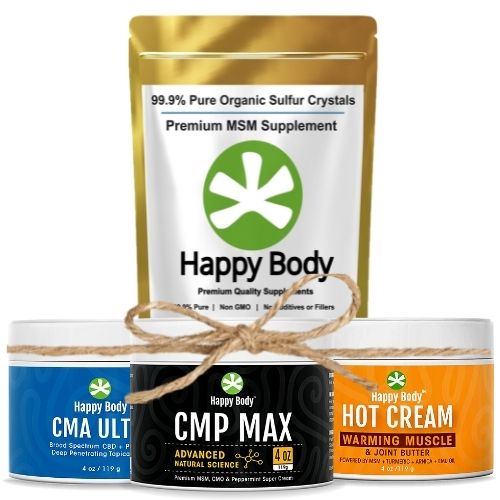
The Organic sulfur, found in our pure, high-dose MSM, is critical for detoxification at a cellular level.

It is one of the only substances that can freely cross the blood-brain-barrier, and actively detox the brain/brain cells.
It is also one of the only detoxifiers that can combat both chemical toxins and dangerous heavy metals.
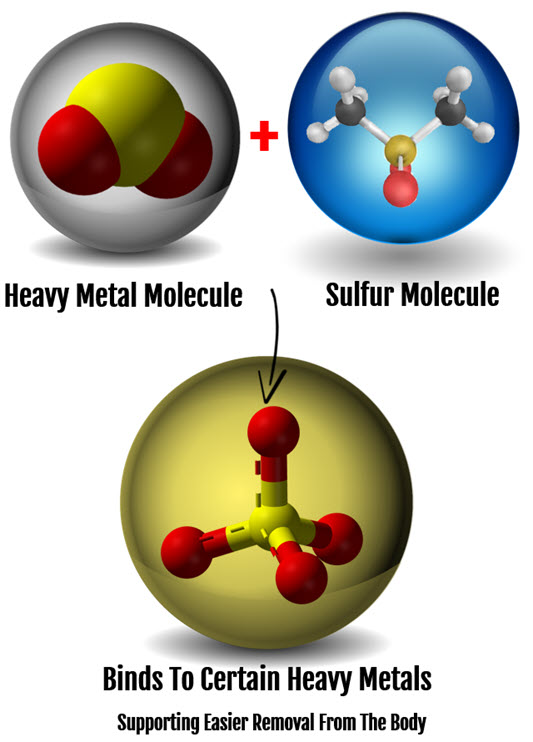
Remember, Sulfur is one of the key elements that form the building blocks of life, playing an integral role in cellular function, structure, and detoxification.
When toxins are escorted out of cells by antioxidants, they’re often bound to Sulfur compounds, which safely transport them out of the body.
Sulfur also aids in repairing liver cells and enhances their ability to flush out toxins.
In addition, Organic Sulfur helps improve the permeability and resilience of cell membranes, allowing for optimal nutrient absorption and waste expulsion.
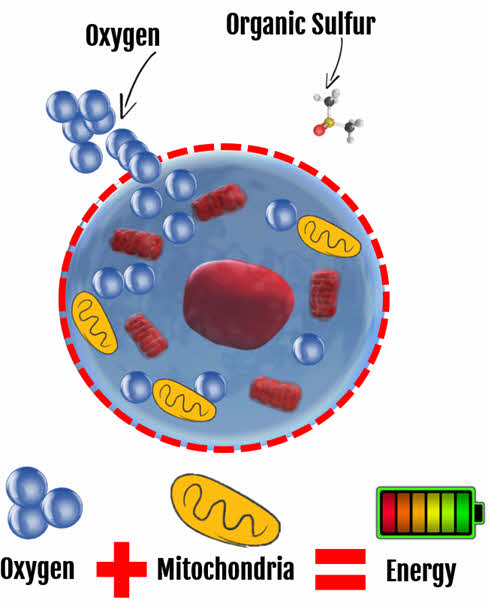
Finally, Sulfur is the key building block of Glutathione, the master antioxidant of the body and liver.

Chlorella:

Chlorella, a single-celled green algae, may be small, but it’s mighty when it comes to detoxification. As a rich source of chlorophyll – the pigment responsible for plants’ green color – chlorella has a unique ability to bind with toxins, heavy metals, and radiation in the body, escorting them out of your system.
Moreover, chlorella contains a unique complex called the “Chlorella Growth Factor,” which boosts the body’s immune system and aids in cellular repair and regeneration. This little power-packed organism ensures that even the most stubborn toxins don’t stand a chance.

Bentonite Clay:

Bentonite clay, formed from volcanic ash, has been used for centuries by cultures around the world for its detoxifying properties. When taken internally, it acts like a sponge, absorbing toxins, heavy metals, and harmful bacteria in the gut. The clay’s high negative ionic charge attracts positively charged toxins, effectively removing them from your system.
Moreover, bentonite clay is rich in a variety of essential minerals, including calcium, magnesium, silica, sodium, copper, iron, and potassium, aiding overall wellness while performing its detoxifying duties.

Epsom Salt Bath: A Relaxing Detox Ritual

Epsom salt, named after a saline spring in Surrey, England, is not actually salt, but a naturally occurring pure mineral compound of Magnesium and Sulfur.
Both these minerals are readily absorbed through the skin, making Epsom salt baths an easy and relaxing way to detoxify and replenish the body.
Like Sulfur, Magnesium, often deficient in many individuals, is important for over 325 enzyme reactions in the body, including muscle and nerve function, inflammation regulation, and the prevention of artery hardening.
The Sulfur in Epsom salt assists in improving nutrient absorption, flushing toxins, and easing pain.
The warm water of the bath also opens up the pores, allowing for a better release of toxins through sweat.
Additionally, it stimulates the lymph system, aiding in the body’s natural process of detoxification.
So, the humble Epsom salt bath is a fantastic way to draw out toxins, alleviate stress, and promote relaxation and healing within the body.

Top Rated Natural Deodorant Brands

Making a switch to natural alternatives isn’t just about the absence of harmful chemicals; it’s also about embracing products that care for your health and our planet.
Here are some brands that are highly-rated all-natural deodorants:
Native Deodorant

Native deodorants are aluminum-free, paraben-free, and cruelty-free.
They have also tapped into the power of probiotics to help fight odor and use natural ingredients like shea butter, jojoba oil, and vitamin E to soothe the skin.

Ursa Major

Ursa Major deodorants are crafted from naturally-derived enzymes and essential oils that help to neutralize odor-causing bacteria. Their ingredient transparency is a breath of fresh air in the industry.

Schmidt’s Naturals

Schmidt’s Naturals offer plant and mineral-based deodorants free of aluminum, propylene glycol, and parabens. Their innovative formulas leverage ingredients like activated charcoal, magnesium, and essential oils.

Meow Meow Tweet

This brand goes the extra mile with their adorable biodegradable packaging. Their deodorants, certified vegan and cruelty-free, use dietary magnesium and arrowroot powder to help control moisture and odor.

Lush

Known for its eco-friendly approach, Lush offers ‘naked’ or packaging-free deodorant bars. They’re made with natural sweat-absorbing powders and odor-neutralizing essential oils.

The Bottom Line:
Reclaiming Your Health, One Swipe at a Time
The deodorant industry has long capitalized on our fear of body odor, pushing products riddled with chemicals that could harm our health in the long run. But knowledge is power. The truth about commercial deodorants is out, and with this truth comes the opportunity to make a change.
By choosing natural alternatives and taking active steps to detoxify, you’re taking back control of your health. As you liberate yourself from the harmful effects of commercial deodorants, remember to also focus on optimizing your overall wellness through a balanced diet, regular exercise, and adequate rest.
At the same time, appreciate the role of sweat in your body. It’s a natural process meant for detoxification and cooling, not a nuisance to be suppressed with harmful chemicals.
Every product we use, every food we eat, and every lifestyle choice we make is a vote for the kind of life we wish to lead. Make your vote count. Choose health. Choose wellness. Choose to be naturally odor-free.
Remember, your body is your most priceless possession!
Take care of it!
Today’s choices shape tomorrow’s body.
Here’s to a future where our daily rituals nourish our bodies, rather than harm them.
To your wellness!
Sources & References
-
Darbre PD, Aljarrah A, Miller WR, Coldham NG, Sauer MJ, Pope GS. Concentrations of parabens in human breast tumors. Journal of Applied Toxicology. 2004;24(1):5-13. This study detected parabens in breast tumors, suggesting a potential link between parabens in deodorants and breast cancer.
2. “Final Amended Report on the Safety Assessment of Aluminum Starch Octenylsuccinate and Related Components.” International Journal of Toxicology. 2002;21(Suppl 1):1-7. This report talks about the safety concerns of aluminum compounds, a main ingredient in antiperspirants, with potential implications for neurotoxicity and breast cancer.
3. Rodricks JV, Swenberg JA, Borzelleca JF, Maronpot RR, Shipp AM. Triclosan: a critical review of the experimental data and development of margins of safety for consumer products. Critical Reviews in Toxicology. 2010;40(5):422-484. This study discusses the adverse effects of triclosan, a common ingredient in antibacterial deodorants.
4. Wormuth M, Scheringer M, Vollenweider M, Hungerbühler K. What are the sources of exposure to eight frequently used phthalic acid esters in Europeans?. Risk Analysis: An International Journal. 2006;26(3):803-824. This research indicates the various sources of exposure to phthalates, including deodorants, and their potential health risks.
5. Fiume MM, Heldreth B, Bergfeld WF, et al. Safety Assessment of Propylene Glycol, Tripropylene Glycol, and PPGs as Used in Cosmetics. International Journal of Toxicology. 2012;31(5_suppl):245S-260S. This study highlights the potential risks of propylene glycol, a common ingredient in deodorants.
6. Kobrosly RW, Parlett LE, Stahlhut RW, Barrett ES, Swan SH. Socioeconomic factors and phthalate metabolite concentrations among United States women of reproductive age. Environmental Research. 2012;115:11-17. This study presents evidence that socioeconomic factors could impact exposure levels to phthalates in women, which are commonly found in deodorants.
7. Mirick DK, Davis S, Thomas DB. Antiperspirant use and the risk of breast cancer. Journal of the National Cancer Institute. 2002;94(20):1578-1580. This study explores the potential correlation between the use of antiperspirants and the risk of breast cancer.
8. Allam MF. Breast cancer and deodorants/antiperspirants: a systematic review. Central European Journal of Public Health. 2016;24(3):245. This systematic review collates several studies investigating the link between breast cancer and the use of deodorants/antiperspirants.
9. Moyses SJ, Johnson RJ, Jaar BG, et al. Uric acid, the metabolic syndrome, and renal disease. Journal of the American Society of Nephrology. 2005;16(12_supplement_1):S7-S12. This study indirectly links aluminum (a key ingredient in many deodorants) to renal disease, due to its interference with uric acid excretion.
10. Namer M, Luporsi E, Gligorov J, et al. The use of deodorants/antiperspirants does not constitute a risk factor for breast cancer. Bulletin du Cancer. 2008;95(9):871-880. Despite its conclusion, this study shows the continued scientific interest and ongoing debate on the potential link between deodorant use and breast cancer.


Sale Details:
⚡ Ending in 72 Hours⚡
Get Up To 45% off on Multi Packs OR Save An Extra 10% Off Any of Our Already Discounted Bundles!
Just Apply Promo Code: 👉 well10👈 at Checkout 🛒
Shop Now

Shop USA Store

All Orders Ship From Our California Warehouse
Shop Canada Store

All Orders Ship From Our Toronto Warehouse
Happy Body Bundles
Try Different Product Bundles & Save Up To 53% With Free Shipping!

*Note some products are not available in Canada at this time
Shop Bundles USA
Shop Bundles Canada
Disclaimer: Information presented on this site is of a general nature used for educational and information purposes only. Statements or opinions about products and health conditions have not been evaluated by the US Food and Drug Administration or Health Canada. Products and information stated herein are not intended to diagnose, treat, cure, or prevent any disease or condition. If you have any concerns about your own health or are wanting to use a new mineral supplement, vitamin or herbal supplement, you should always consult with your physician or other healthcare professional first. Do not use information on this site or on our social media pages as a replacement for validated medical information / opinion, or as a basis for self-diagnosis. This is the same for your pet; always consult with your veterinarian before starting your pet on any new pet supplement or vitamin first.
Pricing: For our website and catalog, the Regular (Reg) Price is also referred to as the MSRP is the “Manufacturer’s Suggested Retail Price.” The MSRP is understood to mean the price at which a manufacturer will recommend a retailer or reseller to sell a product for in stores, on the internet, or in catalogs. For Happy Body Store/Happy Body/HappyBody branded items, the MSRP is calculated based on a varying percentage above the product’s completed production price & associated administration, marketing & logistics. Prices can change at any time for any reason. Pricing & sales offers can change at any time without notice, and at our sole discretion.